 跳到内容
跳到内容 When installing solar panels, one of the most critical considerations is the spacing of solar panel brackets (solar brackets). Proper spacing ensures structural stability, optimal energy production, and system longevity. This detailed guide covers everything you need to know about how far apart solar panel brackets should be, including factors affecting spacing, calculation methods, installation best practices, and material recommendations. We also include a comparison table to help you understand typical spacing ranges for various installation types.
Throughout this article, we emphasize the importance of using high-quality solar brackets, such as those made from durable C-channel steel, available at C-Channel Steel, to guarantee safety and performance.
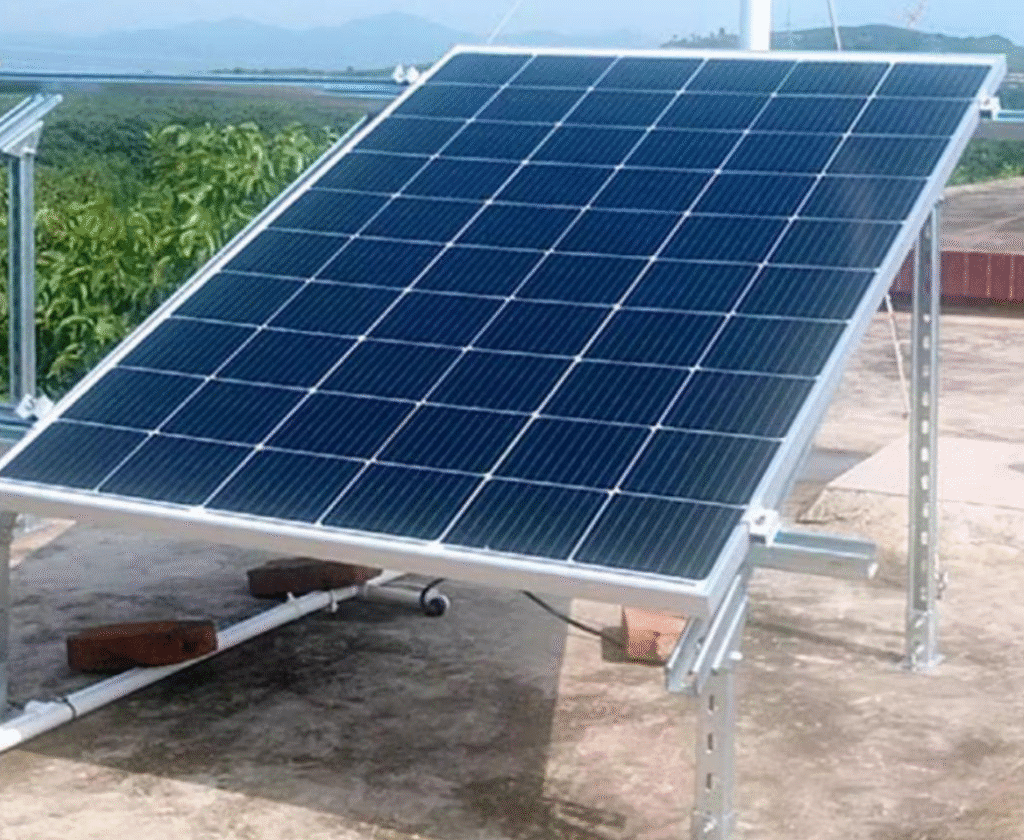

- Introduction: Why Solar Bracket Spacing Matters
- Key Factors Influencing Solar Panel Bracket Spacing
- Recommended Solar Bracket Spacing Guidelines
- How to Calculate Optimal Bracket Spacing
- Spacing Differences for Roof Mount vs. Ground Mount Systems
- Impact of Environmental Loads on Bracket Spacing
- Installation Best Practices for Solar Brackets
- Materials and Quality Considerations for Solar Brackets
- Comparison Table: Typical Solar Bracket Spacing by Installation Type
- Why Choose C-Channel Steel Solar Brackets
- Conclusion
1. Introduction: Why Solar Bracket Spacing Matters
Solar panel brackets are the structural elements that secure solar panels to roofs or ground mounts. The spacing between these brackets is crucial for:
- Structural Integrity: Preventing panel flexing, wind damage, or mechanical failure.
- Load Distribution: Evenly distributing weight and environmental forces like wind and snow.
- System Longevity: Minimizing stress on panels and mounting surfaces to extend lifespan.
- Energy Efficiency: Maintaining optimal panel orientation and minimizing shading or vibration.
- Safety and Code Compliance: Meeting local building codes and engineering standards.
Incorrect bracket spacing can lead to premature wear, costly repairs, or system failure.
2. Key Factors Influencing Solar Panel Bracket Spacing
Several factors determine the ideal spacing between solar panel brackets:
- Solar Panel Size and Weight: Larger or heavier panels require closer bracket spacing for support.
- Mounting Surface and Structure: Roof type, rafter spacing, and ground conditions affect bracket placement.
- Environmental Loads: Wind speed, snow load, and seismic activity in the installation area.
- Panel Orientation and Tilt Angle: Tilt affects load distribution and wind pressure.
- Local Building Codes and Standards: Regulations often specify minimum spacing and attachment requirements.
- Bracket and Racking System Design: Different mounting systems have manufacturer-recommended spacing.
3. Recommended Solar Bracket Spacing Guidelines
Based on industry sources and engineering best practices, typical solar bracket spacing recommendations are:
- Horizontal Spacing (Along the Panel Width): 4 to 6 feet (1.2 to 1.8 meters) apart
- Vertical Spacing (Along the Panel Height): 3 to 5 feet (0.9 to 1.5 meters) apart
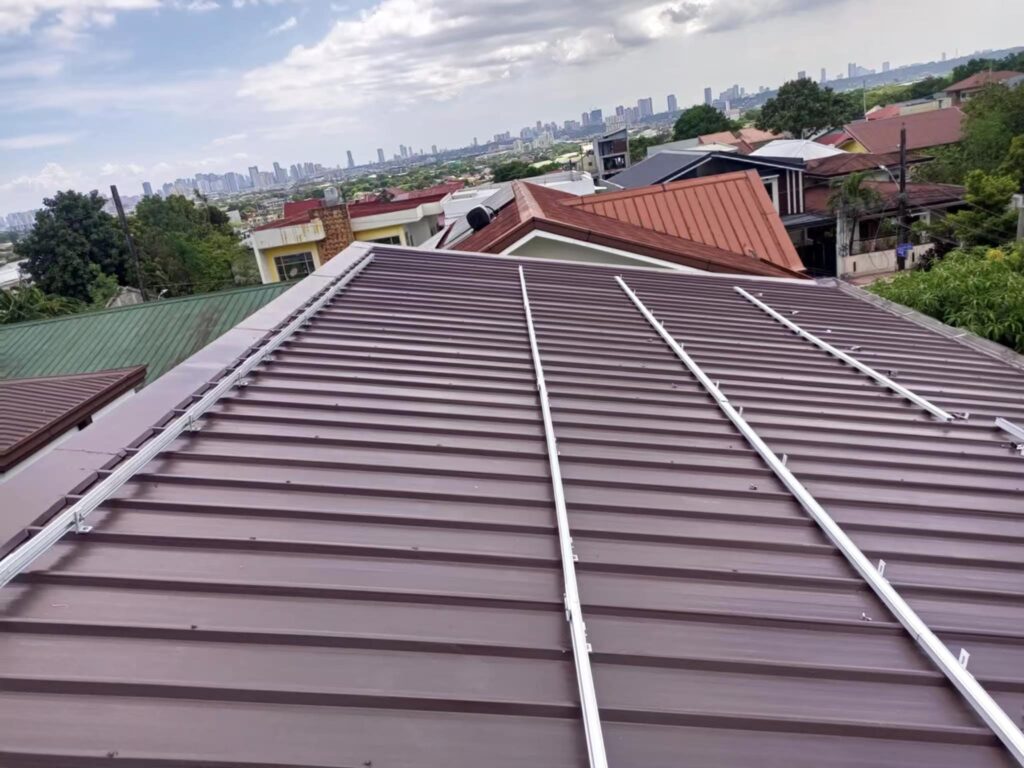
- Rail Spacing (Roof Rafters): Usually aligned with rafters, commonly 16 to 24 inches (40 to 60 cm) apart
- Panel-to-Bracket Attachment Points: Usually 2 to 4 brackets per panel, depending on size and weight
For example, Xiamen Kseng Metal Tech recommends spacing solar PV brackets between 4 to 6 feet (1.2 to 1.8 meters) horizontally to ensure proper load distribution and stability14.
4. How to Calculate Optimal Bracket Spacing
Accurate bracket spacing often requires engineering evaluation, but here is a simplified approach based on panel dimensions and environmental conditions:
Step 1: Determine Panel Dimensions and Weight
- Measure panel width, height, and weight.
- Heavier and larger panels require closer bracket spacing.
Step 2: Calculate Height Difference for Tilted Panels
- Use the formula:Height Difference=sin(tilt angle)×panel widthHeight Difference=sin(tilt angle)×panel width
- Example: For a 39.41-inch wide panel at 15° tilt:10.2 inches=sin(15∘)×39.4110.2 inches=sin(15∘)×39.41
Step 3: Calculate Module Row Spacing Based on Solar Elevation Angle
- Use:Row Spacing=Height Differencetan(solar elevation angle)Row Spacing=tan(solar elevation angle)Height Difference
- For a solar elevation angle of 17°:32.7 inches=10.2tan(17∘)32.7 inches=tan(17∘)10.2
Step 4: Adjust for Azimuth Angle (if applicable)
- Apply azimuth correction:Minimum Row Spacing=Row Spacing×cos(azimuth angle)Minimum Row Spacing=Row Spacing×cos(azimuth angle)
- For azimuth angle 44°:24 inches=32.7×cos(44∘)24 inches=32.7×cos(44∘)
Step 5: Calculate Row Width for Layout
- Use:Row Width=Minimum Row Spacing+cos(tilt angle)×panel widthRow Width=Minimum Row Spacing+cos(tilt angle)×panel width
- Example:62 inches=24+cos(15∘)×39.4162 inches=24+cos(15∘)×39.41
This method helps optimize spacing to avoid shading and maximize energy production910.
5. Spacing Differences for Roof Mount vs. Ground Mount Systems
| Installation Type | Typical Horizontal Spacing | Typical Vertical Spacing | Notes |
|---|---|---|---|
| Roof Mount (Pitched Roof) | 4 to 6 feet (1.2 to 1.8 m) | 3 to 5 feet (0.9 to 1.5 m) | Brackets aligned with rafters; flashing required for waterproofing |
| Roof Mount (Flat Roof) | 5 to 10 feet (1.5 to 3 m) | 3 to 5 feet (0.9 to 1.5 m) | Ballasted mounts may allow wider spacing |
| Ground Mount | 5 to 10 feet (1.5 to 3 m) | 5 to 10 feet (1.5 to 3 m) | Larger spacing possible due to stable foundations |
| Pole Mount | N/A | N/A | Single or dual-axis tracking requires specialized mounts |
6. Impact of Environmental Loads on Bracket Spacing
- Wind Load: High wind areas require closer bracket spacing and stronger brackets to prevent panel uplift or damage.
- Snow Load: Heavy snow regions require brackets spaced to support additional weight and prevent panel bending.
- Seismic Zones: Additional engineering considerations for bracket anchoring and spacing.
Local building codes often specify minimum requirements for bracket spacing based on these factors.
7. Installation Best Practices for Solar Brackets
- Align Brackets with Structural Supports: Attach brackets directly to rafters or structural beams for maximum strength.
- Use the Manufacturer’s Spacing Recommendations: Solar panel and racking system manufacturers provide spacing guidelines to ensure warranty compliance.
- Maintain Consistent Spacing: Uniform spacing prevents uneven load distribution and panel stress.
- Allow for Thermal Expansion: Leave small gaps to accommodate material expansion and contraction.
- Ensure Proper Waterproofing: Use flashing and sealants around roof penetrations to avoid leaks.
- Inspect and Tighten Fasteners Regularly: Prevent loosening due to vibration or weather.
8. Materials and Quality Considerations for Solar Brackets
Solar brackets must be made from durable materials to withstand weather and loads over decades. Common materials include:
| Material | Strength | Corrosion Resistance | Cost | Typical Use Cases |
|---|---|---|---|---|
| Aluminum | Medium | High | Medium | Residential rooftops |
| Galvanized Steel | High | High | Medium | Commercial and ground mounts |
| Stainless Steel | Very High | Very High | High | Coastal, marine environments |
| C-Channel Steel | Very High | Medium (with coating) | Medium | Industrial, rooftop, and ground mounts |
C-channel steel brackets are favored for their strength, versatility, and cost-effectiveness. When coated properly, they offer excellent corrosion resistance and are easy to fabricate and install, making them ideal for a wide range of solar projects2.
9. Comparison Table: Typical Solar Bracket Spacing by Installation Type
| Installation Type | Horizontal Spacing (Feet) | Vertical Spacing (Feet) | Notes |
|---|---|---|---|
| Residential Roof | 4 – 6 | 3 – 5 | Align with rafters; flashing required |
| Commercial Flat Roof | 5 – 10 | 3 – 5 | Ballasted mounts may increase spacing |
| Ground Mount | 5 – 10 | 5 – 10 | Larger spacing due to stable foundations |
| Pole Mount | N/A | N/A | Specialized mounts; spacing depends on design |
10. Why Choose C-Channel Steel Solar Brackets
At C-Channel Steel, we provide high-quality, durable C-channel steel solar brackets engineered for optimal strength and longevity. Benefits include:
- Robust Structural Support: Perfect for both rooftop and ground installations.
- Custom Fabrication: Tailored solutions for your project’s specific spacing and load requirements.
- Corrosion Protection: Advanced coatings to withstand weather and environmental challenges.
- Cost-Effective: Competitive pricing without compromising quality.
- Ease of Installation: Designed for straightforward mounting and alignment.
Choosing C-channel steel solar brackets ensures your solar array is safe, efficient, and built to last.

11. Conclusion
Proper spacing of solar panel brackets is fundamental to the success of any solar installation. It affects structural integrity, energy efficiency, and system durability. While general guidelines suggest spacing brackets 4 to 6 feet apart horizontally and 3 to 5 feet vertically, exact spacing depends on panel size, environmental loads, mounting surface, and local codes.
Using high-quality solar brackets, such as C-channel steel from C-Channel Steel, combined with professional design and installation practices, ensures your solar project delivers maximum performance and safety for decades.
For tailored advice and premium solar bracket solutions, contact C-Channel Steel today.
This article is based on industry best practices and technical insights from sources including Xiamen Kseng Metal Tech and others specializing in solar mounting systems
