 跳到内容
跳到内容 As solar energy adoption grows worldwide, many homeowners and businesses are exploring how best to install solar panels on their properties. One common question that arises is whether solar panels can simply be laid flat on a flat roof without using any mounting brackets or racking systems.
This article provides an in-depth exploration of this question, analyzing the technical feasibility, energy efficiency implications, structural and safety concerns, and long-term effects of laying solar panels flat without brackets. We also discuss the advantages of proper mounting systems, including those fabricated from steel products like those offered by C Channel Steel, to help you make an informed decision.
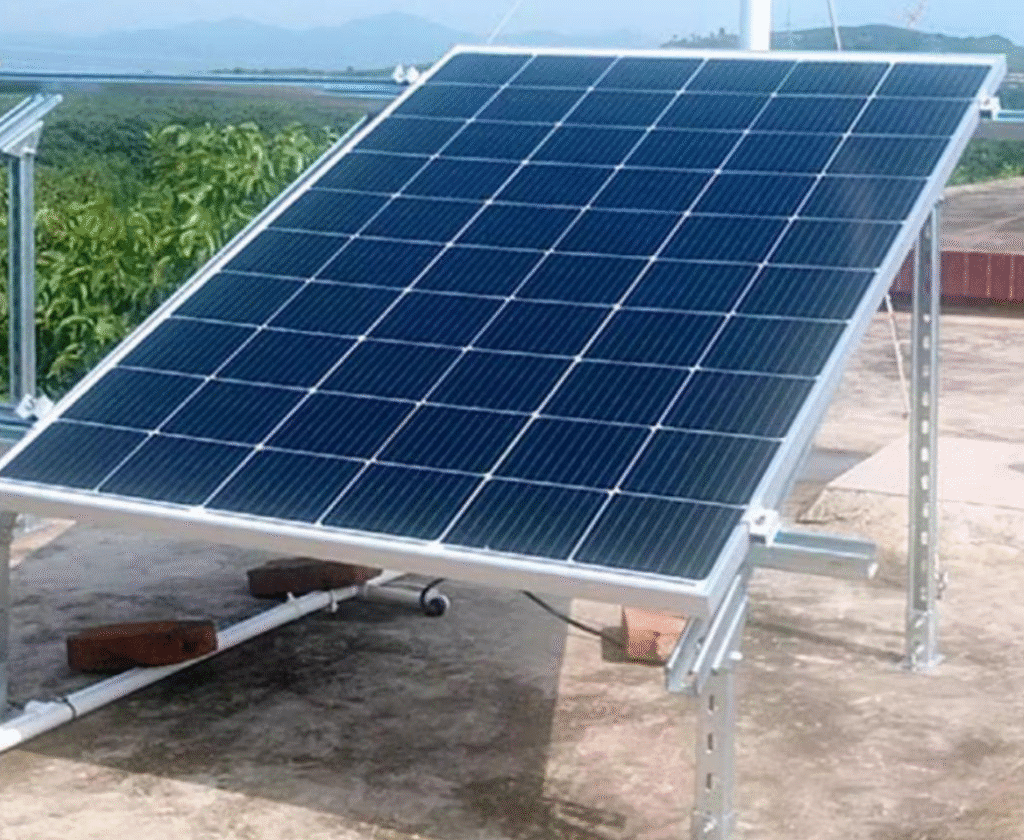

Understanding Solar Panel Installation on Flat Roofs
Flat roofs are common on commercial buildings and many modern homes. Unlike pitched roofs, which naturally provide an angle for solar panels to face the sun, flat roofs require special consideration to ensure solar panels are positioned optimally.
Why Mount Solar Panels at an Angle?
Solar panels generate electricity most efficiently when sunlight strikes their surface perpendicularly. On flat roofs, panels laid completely flat receive sunlight at a low angle, which reduces the intensity of solar radiation they capture. This leads to:
- Lower energy output
- Increased accumulation of dirt, dust, and water
- Potential shading from nearby objects
Tilting panels even slightly (typically between 10° and 15°) can significantly improve their energy production by maximizing sun exposure and facilitating natural cleaning by rainwater.
The Role of Mounting Brackets and Racking Systems
Mounting brackets and racking systems serve multiple purposes:
- Provide the correct tilt angle
- Elevate panels to improve airflow and cooling
- Secure panels against wind and weather
- Protect the roof membrane from damage
- Facilitate maintenance access
Without these systems, solar panels are vulnerable to performance loss, physical damage, and safety hazards.
Can You Lay Solar Panels Flat on a Flat Roof Without Brackets?
Technically, yes, solar panels can be placed flat on a flat roof without brackets. However, this practice is generally discouraged by solar professionals due to several critical drawbacks.
Energy Efficiency Impact
- Reduced Solar Irradiance Capture: Flat panels receive less direct sunlight throughout the day, especially during mornings and evenings, lowering overall energy generation. Studies show that flat-mounted panels can produce 10-30% less electricity compared to tilted installations.
- Increased Dirt and Debris Accumulation: Flat surfaces allow dust, leaves, and bird droppings to settle, which block sunlight and reduce efficiency.
- Poor Water Drainage: Rainwater tends to pool on flat panels, increasing the risk of water spots and potential damage to panel surfaces.
Structural and Safety Concerns
- Wind Uplift and Panel Movement: Without brackets, panels are unsecured and susceptible to being lifted or shifted by strong winds. This can cause panel damage, roof membrane abrasion, or even pose safety hazards if panels detach.
- Roof Damage: Panels sliding on the roof can wear down the waterproof membrane, leading to leaks and costly repairs.
- Lack of Ventilation: Panels laid flat have poor airflow underneath, causing heat buildup that reduces panel efficiency and lifespan.
Maintenance Challenges
- Difficult Cleaning: Flat, unsecured panels require more frequent cleaning due to dirt accumulation, and their placement can make access more difficult.
- Risk of Damage During Maintenance: Panels not fixed in place can be accidentally moved or damaged during routine inspections or cleaning.
Benefits of Using Mounting Brackets on Flat Roofs
Mounting brackets and racking systems provide multiple advantages that far outweigh the simplicity of laying panels flat:
- Optimal Tilt Angle for Maximum Energy: Even a small tilt (10-15°) can boost energy output by improving sun exposure and enabling self-cleaning by rain.
- Improved Airflow and Cooling: Elevating panels enhances airflow beneath them, reducing operating temperatures and improving efficiency.
- Secure Attachment: Brackets firmly anchor panels, preventing wind uplift and movement.
- Roof Protection: Proper mounts distribute weight evenly and protect the roof membrane from abrasion and punctures.
- Ease of Maintenance: Elevated panels are easier to inspect, clean, and repair.

Common Mounting Systems for Flat Roof Solar Panels
Several mounting system types are available for flat roofs, each with pros and cons depending on roof type, budget, and project scale.
Ballasted Mounting Systems
Ballasted mounts use heavy weights (such as concrete blocks) to hold panels in place without penetrating the roof membrane. They are popular for flat roofs where roof penetrations are undesirable.
- Advantages: No roof penetrations, easy to install, protects waterproofing.
- Disadvantages: Heavier system, requires roof load capacity assessment, may need wind deflectors.
Penetrating Mounts
These mounts are anchored directly into the roof structure with bolts or screws, providing maximum stability.
- Advantages: Very secure, suitable for high wind areas.
- Disadvantages: Requires roof penetration and waterproofing, potential for leaks if not properly sealed.
Hybrid Systems
Combine ballasted and penetrating mounts to balance stability and roof protection.
Custom Fabricated Steel Brackets
Steel brackets fabricated from high-quality steel channels, such as those supplied by C Channel Steel, offer a customizable, strong, and durable mounting solution.
- Advantages: High strength, corrosion resistance, customizable dimensions, cost-effective.
- Disadvantages: Requires fabrication and professional installation.
How C Channel Steel Products Enhance Solar Panel Mounting
C Channel Steel specializes in manufacturing steel channel beams and structural steel products ideal for solar mounting frames and brackets. Here’s how C Channel Steel products can support your solar installation:
- Superior Structural Strength: Steel channels provide robust support capable of withstanding wind, snow, and environmental loads.
- Corrosion Resistance: Hot-dip galvanization and protective coatings extend product lifespan in outdoor conditions.
- Customization: Steel channels can be precisely cut, drilled, and fabricated to meet project-specific elevation and mounting requirements.
- Cost Efficiency: Steel offers a durable yet affordable alternative to aluminum or plastic mounts, especially for large-scale projects.
- Integration: Steel brackets can be combined with other mounting components to create hybrid systems optimized for flat roofs.
Risks of Laying Solar Panels Flat Without Brackets
| Risk Category | Description | Consequences | Mitigation with Proper Mounting |
|---|---|---|---|
| Energy Efficiency | Reduced sun exposure and increased dirt accumulation on flat panels. | Lower power output, longer payback period. | Tilted mounts maximize sunlight and self-cleaning. |
| Wind Damage | Panels unsecured and vulnerable to wind uplift and displacement. | Panel breakage, roof damage, safety hazards. | Secure brackets prevent movement and damage. |
| Roof Damage | Panels sliding on roof membrane cause abrasion and leaks. | Water intrusion, costly repairs. | Proper mounts distribute loads and protect roof. |
| Maintenance Difficulty | Dirt buildup requires frequent cleaning; unsecured panels harder to maintain. | Increased maintenance costs, reduced lifespan. | Elevated panels easier to access and maintain. |
| Safety Hazards | Detached panels pose risk to people and property during storms. | Injury, liability issues. | Secure mounting minimizes risks. |
Detailed Considerations for Flat Roof Solar Panel Installation
Roof Condition and Load Capacity
Before installation, assess the roof’s structural integrity and load-bearing capacity. Flat roofs must support the weight of solar panels, mounting systems, and any ballasts without compromising safety.
Local Climate and Wind Loads
Design mounting systems to withstand local wind speeds and weather conditions. In regions with high winds or snow, penetrating mounts or heavy ballasted systems may be necessary.
Waterproofing and Roof Protection
Roof penetrations must be carefully sealed to prevent leaks. Ballasted systems avoid penetrations but require careful weight distribution to avoid damaging the roof membrane.
Panel Orientation and Tilt
Panels should ideally face true south (in the northern hemisphere) or true north (in the southern hemisphere) and be tilted to the latitude angle or optimized for seasonal sun angles.
Maintenance Access
Allow sufficient space between panels and roof surface for cleaning and inspection. Elevated mounts facilitate easier maintenance.

Installation Process Overview
The typical installation process for solar panels on flat roofs includes:
- Site Assessment: Evaluate roof condition, shading, orientation, and structural capacity.
- System Design: Choose mounting system type (ballasted, penetrating, hybrid) and panel layout.
- Fabrication: Custom steel brackets or mounting frames fabricated to specifications.
- Roof Preparation: Clean roof surface and apply any necessary waterproofing treatments.
- Mount Installation: Install brackets or ballasts securely, ensuring proper tilt and alignment.
- Panel Mounting: Attach solar panels to the mounting system, securing all fasteners.
- Electrical Connections: Connect panels to inverters and electrical systems, ensuring compliance with codes.
- Testing and Commissioning: Verify system performance and safety before operation.
Economic and Environmental Benefits of Proper Mounting
Properly mounted solar panels maximize energy production, shorten payback periods, and reduce maintenance costs. This leads to:
- Higher Return on Investment (ROI)
- Longer System Lifespan
- Reduced Roof Repair Costs
- Improved Safety and Compliance
Using durable steel brackets from C Channel Steel ensures your mounting system remains stable and corrosion-resistant over time.
Summary Table: Laying Solar Panels Flat vs. Using Mounting Brackets
| Aspect | Laying Panels Flat Without Brackets | Using Mounting Brackets (e.g., C Channel Steel) |
|---|---|---|
| Energy Efficiency | Reduced by 10-30% due to poor sun exposure | Optimized tilt angle maximizes energy production |
| Dirt and Water Accumulation | High, leading to frequent cleaning needs | Reduced, natural rain cleaning facilitated by tilt |
| Wind Resistance | Low; panels vulnerable to uplift and displacement | High; panels securely anchored to withstand wind loads |
| Roof Protection | Risk of membrane abrasion and leaks | Proper load distribution protects roof integrity |
| Maintenance Ease | Difficult; panels may shift or be damaged | Easier access and safer maintenance |
| Installation Complexity | Simple but risky | Requires design and fabrication but ensures long-term benefits |
| Cost | Lower upfront but higher risk and maintenance costs | Moderate initial cost with better ROI and durability |
Conclusion
While it may seem convenient to lay solar panels flat on a flat roof without brackets, this approach compromises energy efficiency, safety, and the longevity of both the solar system and the roof. Proper mounting systems, including brackets fabricated from high-quality steel such as those provided by C Channel Steel, are essential to secure panels at the optimal angle, protect the roof, and maximize performance.
Investing in a well-designed mounting system ensures your solar installation delivers maximum return, durability, and safety. For customized steel mounting solutions tailored to your flat roof solar project, visit C Channel Steel and consult with our experts.
