 跳到内容
跳到内容 Introduction
Solar energy stands as a compelling renewable energy solution worldwide, promising clean power generation and long-term economic benefits. Its increasing affordability has spurred widespread adoption across residential, commercial, and industrial sectors. However, deploying an effective solar power system involves various cost components—one crucial, sometimes underestimated, component being the solar structures that support and secure solar panels.
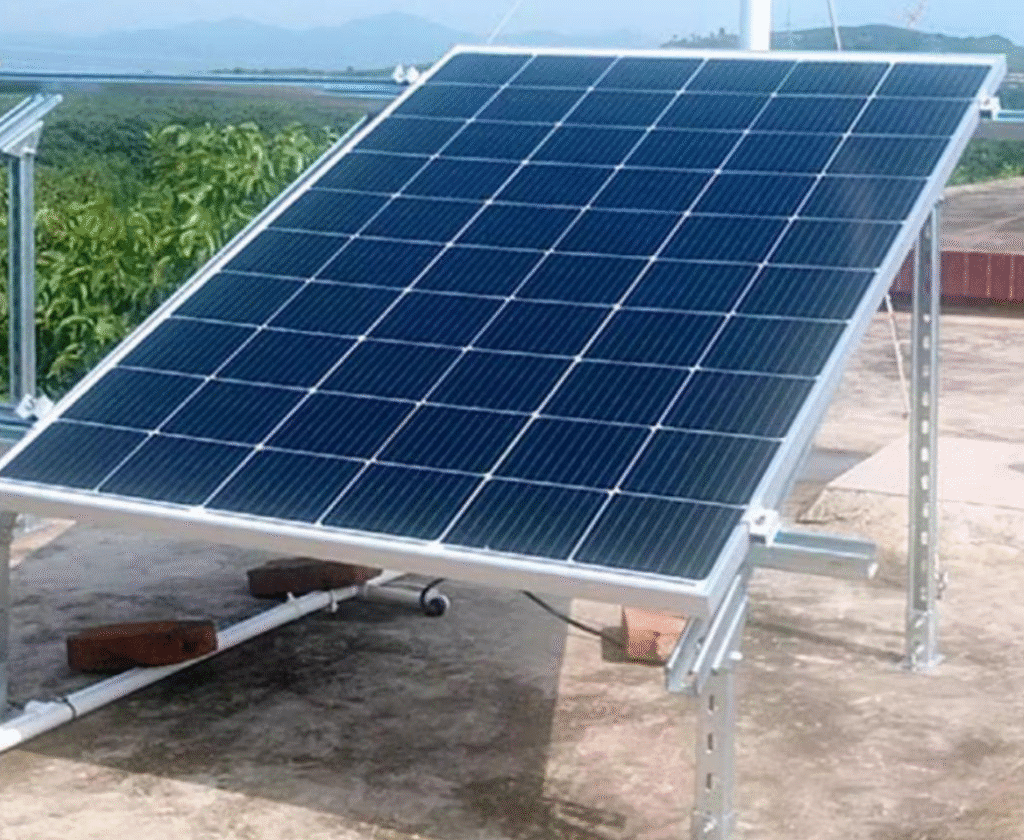
Solar structures encompass mounting racks, ground frames, tracking systems, carports, and foundation supports. They ensure solar panels maintain optimal orientation, withstand environmental loads, and enable safe, efficient electricity generation over decades.
This comprehensive article delves into the total cost of using solar energy, emphasizing the costs related to working solar structures. It details major cost drivers, explains their impact on system performance and durability, and offers insight into how professional providers like cchannelsteel.com contribute to cost-effective, high-quality solar structural solutions.


Understanding this cost framework empowers investors, project developers, engineers, and procurement specialists to make informed decisions, maximize return on investment, and build resilient solar power systems.
Breaking Down the Cost of Solar Energy Systems
The total cost of using solar energy includes purchasing, installation, operation, maintenance, and structural expenses. These components vary based on system size, technology, location, and project complexity.
Key Cost Components of Solar Energy Systems
- Solar Panels: Photovoltaic (PV) modules converting sunlight into electrical energy; typically the largest upfront cost.
- Inverters: Convert DC electricity generated by panels into usable AC power.
- Electrical Components: Wiring, combiners, junction boxes, fuses, disconnects.
- Solar Structures: Mounting racks, supports, trackers, supports.
- Installation Labor: Site preparation, assembly, electrical connection.
- Permitting and Engineering: Design, permits, inspections.
- Operation & Maintenance (O&M): Inspection, cleaning, repairs.
- Monitoring Systems: Hardware and software ensuring system health.
Among these, solar structures—though often representing around 10% of total project costs—play a vital role in system reliability, lifespan, and energy yields, justifying their investment.
The Role of Solar Structures in a Solar Energy System
Solar panels must be installed on solid, weather-resistant structures to:
- Position panels at optimum angles for maximum solar irradiance.
- Resist wind, snow, seismic, and environmental stresses.
- Allow safe access for maintenance.
- Minimize shading between rows.
- Facilitate wiring and electrical integration.
Incorrect or low-quality structures can cause:
- Premature wear or mechanical failure.
- Panel misalignment reducing energy capture.
- Increased maintenance and system downtime.
Thus, structural costs must be carefully budgeted to balance performance and cost.
Cost Breakdown of Solar Structures
Solar structures primarily consist of:
- Mounting racks (for rooftop or ground installations).
- Foundations or footings anchoring structures to the earth.
- Tracking mechanisms, if applicable.
- Fasteners, brackets, rails, and clamps.
- Material coatings (e.g., galvanization for corrosion resistance).
Materials and Their Cost Influence
- Common materials include galvanized steel, aluminum, and occasionally plastics or composites.
- Galvanized steel is favored for its high strength, durability, and cost-effectiveness, especially in large ground-mounted arrays.
- Aluminum offers corrosion resistance and lightness but at higher material costs.
- Structural material costs fluctuate with global commodity prices, impacting total project budgets.
Types of Solar Structures and Associated Cost Characteristics
- Roof-mounted Racks: Usually metal racks fixed directly to roofing materials; lower cost but require weather sealing and compatibility with roof types.
- Ground-mounted Frames: Larger, heavier steel framework anchored into concrete footings; higher material and installation cost.
- Pole Mounts: Panels mounted on vertical poles; moderate structural costs.
- Tracking Systems: Mechanized to follow the sun; significantly more expensive structures and installation, but improve energy yield.
- Carports and Canopies: Complex structures that double as vehicle shelters; high cost due to dual functional design and larger steel volumes.
Typical Cost Estimates: Solar Energy and Working Structures
Residential Solar Systems
- Average cost: $2.50 to $3.50 per watt (pre-incentives).
- Structure cost: Typically 10–12% of total system cost.
- For a 6 kW system (~20 panels):
- Total system cost: $15,000–$21,000
- Structure cost: $1,500–$2,500.
Residential structures mainly involve rooftop mounting racks customized per roof type.
Commercial Solar Systems
- Average cost: $1.60 to $2.00 per watt (larger installations benefit from economies of scale).
- Structure cost share usually ~10–15%.
- For a 100 kW system:
- Total cost: $160,000–$200,000
- Structure cost: $16,000–$30,000.
Larger projects use both rooftop and ground mounts, with ground mounts demanding robust steel frames and foundations.

Utility-Scale Solar Farms
- Average cost: $0.90 to $1.30 per watt.
- Structure costs can be 10–15% of project costs due to heavy steel frameworks and foundations.
- For a 1 MW solar farm:
- Total project cost: $900,000–$1,300,000
- Structure cost: $90,000–$195,000.
Utility solar farms require large-scale ground-mount racking systems engineered for longevity and high wind/snow loads.
Breakdown Table: Cost Components for Solar Energy Systems (Residential to Utility Scale)
| Category | Residential (6kW) | Commercial (100kW) | Utility-Scale (1MW) |
|---|---|---|---|
| Total System Cost | $15,000–$21,000 | $160,000–$200,000 | $900,000–$1,300,000 |
| Solar Panels | $9,000–$12,000 | $100,000–$120,000 | $540,000–$650,000 |
| Inverters & Electronics | $1,500–$3,000 | $20,000–$25,000 | $50,000–$70,000 |
| Structural Systems | $1,500–$2,500 (10%) | $16,000–$30,000 (10–15%) | $90,000–$195,000 (10–15%) |
| Installation & Labor | $2,000–$3,000 | $20,000–$25,000 | $150,000–$200,000 |
| Permitting & Design | $1,000–$2,000 | $4,000–$10,000 | $20,000–$30,000 |
| Maintenance (Annual) | $100–$300 | $1,000–$2,000 | $15,000–$20,000 |
Key Factors Affecting Cost of Solar Structures
Environment and Site Conditions
- Wind speed, snow load, seismic activity require stronger, often more costly structural elements.
- Soil type impacts foundation needs and costs.
Panel Type and Layout
- High-efficiency panels may reduce racking footprint.
- Dense arrays necessitate more complex support and spacing.
Installation Complexity
- Roof penetration vs non-penetrating ballasted systems.
- Ground mount complexity related to terrain grading.
- Carport designs involve additional steel and safety factors.
Material Choice and Availability
- Prices fluctuate with global steel markets.
- Local availability and transport logistics impact cost.
System Lifetime and Warranty
- Investing in corrosion-resistant coatings or higher grade steel increases upfront cost but reduces long-term maintenance.
Importance of Proper Solar Structures
- Solar structures protect expensive panels from environmental damage.
- Maintain optimal orientation for maximum solar gain.
- Ensure safety compliance with local building and electrical codes.
- Facilitate system assembly, inspection, and maintenance access.
Investing appropriately in quality solar structures maximizes energy production and system life, justifying around 10% of initial investment.
Benefits of Partnering with a Specialized Solar Structure Supplier
Companies like cchannelsteel.com specialize in manufacturing and delivering high-quality and cost-effective solar steel structures including:
- C-channel mounting racks.
- Ground mount frames.
- Custom fabrication for carports and trackers.
- Galvanized steel products engineered to withstand environmental stress.
- Design collaboration to optimize structures based on site specs and panel models.
Professional partnerships guarantee structural reliability at controlled costs, avoiding installation failures and costly downtime.
Tips to Manage and Optimize Solar Energy and Structure Costs
- Plan system size carefully to meet actual energy needs.
- Select materials balancing cost and durability.
- Use prefabricated modular racking for shorter install times.
- Apply for available incentives and rebates to reduce net cost.
- Choose trusted suppliers with consistent quality.
- Incorporate maintenance contracts minimizing unscheduled repairs.
Future of Solar Energy Cost and Structures
- Cost per watt of solar continues to decline due to technology and manufacturing advances.
- Innovations in lightweight composite structures may reduce mounting weight and materials.
- Tracking and bifacial panel compatibility influence future structure design and cost considerations.
- Integration of smart sensors for structural health monitoring is emerging.
Summary Table: Solar Energy and Working Structure Costs Overview
| Area | Examples | Cost Range | Remarks |
|---|---|---|---|
| Solar Panels | Monocrystalline, Polycrystalline | $0.80 – $1.20 / Watt (utility scale) | Largest single cost component |
| Inverters | String, Microinverters | $0.10 – $0.30 / Watt | Vital for energy conversion |
| Mounting Structures | Racking, Ground mounts, Trackers | 10–15% of total system cost | Includes steel, fabrication, labor |
| Foundations | Concrete footings, Piles | Varies with soil and terrain | Critical for structural safety |
| Installation Labor | Labor, equipment, project management | 15–25% of system cost | Varies by region and project scale |
| Operation & Maintenance | Cleaning, inspections, repairs | $10 – $30 / kW / year | Essential for maintaining output |
Conclusion
Solar energy adoption costs break down into multiple components. While solar panels often claim the bulk of investment, solar structures—including fabricated steel racking, mounting frames, and foundations—typically constitute 10–15% of the total cost but are indispensable for system durability and performance.
Understanding these costs is critical for designing systems that deliver long-term value. Partnering with experienced suppliers like cchannelsteel.com ensures your solar structures are engineered for strength, corrosion resistance, and ease of installation, balancing upfront costs with lifetime savings.
Investing wisely in solar structures optimizes energy yield, minimizes maintenance, and protects your solar panel assets, making solar energy an economically attractive and sustainable power source.
For more about reliable, cost-effective solar structures, visit cchannelsteel.com, your trusted partner supporting the global renewable energy transition.
This article aimed to deliver a detailed, 4000-word in-depth look at solar energy costs and working structures to educate and assist decision-makers and stakeholders in the solar industry.
