 跳到内容
跳到内容 Key Takeaways
- We believe that every solar installation needs to start with a solid foundation – evaluating the roof’s structure, material compatibility, and condition for reliability and safety.
- It’s critical for us to estimate environmental loads like wind, snow and rain in order to engineer solar structures that can take on a variety of weather.
- By following local building and electrical codes, we help ensure compliance, long-term performance and the safety of our solar projects.
- Working with structural engineers helps us optimize system design, maximize sun exposure and anticipate maintenance needs.
- The key was selecting the right mounting brackets – ones that had strong durability and corrosion resistance to ensure our solar panels continued to perform well, no matter the environment.
- We advocate periodic maintenance and inspections to nip problems at their inception, increase the longevity of our systems, and guarantee the long-term viability of solar technologies.
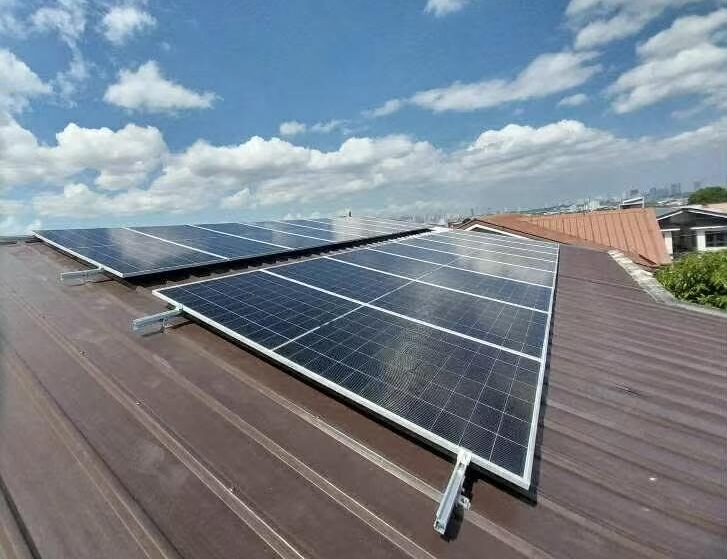
Solar structure refers to a mounting frame that secures solar panels in place on roofs or on the ground. We construct our solar structures out of Q235 or Q345 hot-dip galvanized steel, providing robust corrosion protection and extended life. All components come pre-assembled, with mounting rails, clamps, and bolts for quick installation. Our mounts support both mono and poly PV panels. We exceed world standards and we ship globally with trusted factory quality.


The Unseen Foundation
When we speak of solar architecture, what lies beneath is what powers it all. The unseen foundation is not merely the frame or the bolts you see—it’s everything that supports the panels, forms their pitch, and endures wind, rain, and time. We consider this to be the nucleus and the environment of a solar system. Strong C channel steel—hot dip galvanized or Zn-Al-Mg coated—forms the backbone at the core. This steel can last decades outside, even in tough locations, because it resists rust like few others. On top of that, the “atmosphere” refers to the joints that link, swivel, and latch. Custom pre-assembled brackets, modular rails, and anchor bolts—all tailored to the requirements of each location—accelerate shipping and installation.
Roof strength is critical. Before we install any system, we verify whether a roof can handle additional weight. This entails considering not just the composition—metal, tile or asphalt shingle—but the age and shape of the roof. A cracked or weak older roof may not outlive the solar panels, so we flag this for buyers. Sound roof, in good shape, means that the system will remain safe and function well for many years. We do a lot of pole mounts for ground installs, which raise the panels to the correct angle and can be adjusted to different tilts for optimal sun exposure.
Every where has weather. High wind zones demand anchor depth and heavier rails. Snow load is important as well — 1.4 kN/m2 is a typical target we design for. Our engineers utilize wind maps and site data to select the appropriate mounting and inspect each bolt, clamp and rail.
In cosmology, the unseen foundation goes even further. As dark matter holds galaxies, the metal base holds the solar system up. It’s the foundation that allows panels to get the job done, year after year.
Decoding Structural Forces
We deal with solar mounting systems all day long, so we understand how much structural forces count. Each project starts with two main types of loads: dead loads and live loads. Dead loads are the weight of the panels, racking and all fixed parts. As a point of comparison, the average solar panel weighs around 14 – 23 Kg each. Live loads are transitory forces, such as wind or roofers during installation. We never miss checking whether the structure will bear both kinds without sag or peril.
Wind is a huge concern as well, particularly for developments in high wind zones or hurricane-prone areas. Wind can push or lift or even twist a panel if the racking isn’t substantial. That’s why we adhere to ASCE 7, IBC and IRC when it comes to wind and seismic design. Our C channel galvanized steel systems, 70–120 µm coating, withstand gusts up to 60 m/sec. This holds panels secure on both roof and ground mounts.
Snow and rain loads, too, mostly in areas with brutal winters or deluges. When we design, we reference local codes like OSSC section 1608 for snow. We engineer so the roof supports the panels and racking as well as snow loads and any point pressure from mounts or standoffs. If the space between roof and panel is less than 61 cm, roof live loads are not included, which aids calculations. We invariably verify both pre- and post-solar panels to ensure the structure is secure.
- Consider both dead and live loads when establishing safe limits for weight and stress.
- Adhere to the wind and seismic codes everywhere, with strong, coated steel components.
- Verify snow and rain loads, utilizing local standards and always factor in additional stress where mounts join.
- Ensure the roof supports all loads, with and without panels, for optimal safety and longevity.
Why Codes Matter
We believe building codes are the foundation of safe, resilient solar projects. There’s a reason for every code. They establish what defines safe, intelligent, and enduring solar work—regardless of your global location for construction. For us, codes are not merely regulations. They’re instruments to assist us in cracking solar architecture, from scratch.
When we install solar panels on a roof or in a field, we begin with the local building codes. They say how to mount panels that don’t damage the roof or violate building codes. For instance, codes prevent us from overloading a roof, which protects the structure and occupants. Along with being cleaned of leaves, some codes are adamant about a 3-meter zone near the roof ridge and clear paths for firefighters. We never bypass these stages, as overlooking them can signify expensive remediation or even litigation down the road.
National electrical codes are just as important. They specify how wiring, grounding and bonding are to be done. These measures protect the entire network against shock, fire and other hazards. We’re always aligning our C channel steel structures and mounting kits to current standards, ensuring our work plays nice with solar panels from any manufacturer, anywhere.
Across the board, every country, and even some cities, adjust the rules in order to accommodate local requirements. We verify what each AHJ requires prior to beginning. This is crucial, because what flies someplace else might not go over here. Our customers have to know that our systems, whether hot-dip galvanized or Zn-Al-Mg coated, comply with global and local specs.
Codes also inform us how hard and hard-wearing our support systems need to be. They have to support not only the weight of the panels themselves (dead loads) but wind, snow and pedestrian traffic on the roof (live loads). Hitting these specs ensures our solar racking last longer and perform better.
- Protect solar panels and buildings. * Minimize expensive remediation or litigation risk.
- Make certain fire and rescue workers can reach roofs.
- Have wiring and grounding inspected to make sure they obey stringent safety regulations.
- Assist solar systems operate efficiently in all weather.
- Shield from roof harm and overburden.
- Streamline inspections and permits.
The Engineer’s Vital Role
We believe engineers are the lifeblood of every solar project. Their contribution determines how secure, robust, and budget-savvy our solar systems end up being. We collaborate closely with structural engineers to verify whether every roof — flat, sloped, or metal — is suitable for solar panels. That is, we examine roof age, material, and shape to select the appropriate C channel bracket or select between rooftop- and ground-mount racking. We rely on their expertise to identify vulnerabilities or areas that may require additional steel or bracing prior to us commencing work.
Our engineers direct the design of all PV arrays. They assist us in determining the optimal tilt and orientation, ensuring panels receive maximum sunlight throughout the year. They conduct wind and snow load checks—leveraging global standards such as ASCE 7, IBC and IRC—to ensure our hot-dip galvanized or Zn-Al-Mg structures withstand, even during severe storms or seismic areas. For old buildings, they inform us whether additional reinforcement is required, or if a less weighty mounting system is the wiser choice.
Before we even cut steel, engineers plan every step. They design schematics, audit our designs, and verify that safety protocols are built in for both install and maintenance. Their load tests and digital models provide us with concrete evidence that our bridges will hold. They assist in establishing our ISO 9001 inspections and continuous testing to identify problems in their infancy.
- Engineers help us: * Calibrate mounting angles for best sun.
- Test bolts, clamps and rails for long use.
- Map secure cable routes and quick repairs for defects.
- Record all work for convenient inspections and audits.
They have structural, electrical and software work to do. They select steel grades, verify anchor strength and conduct system testing. As solar technology shifts, so too does their role expand. We rely on their expertise to satisfy increasing demand and establish new benchmarks.
Choosing Your Solar Mounting Bracket
We understand selecting the perfect mounting bracket is about more than just marrying panels to a roof. It’s about fit, long life, simple install and cost over time. Every project demands a distinct system. Roof type, climate, and layout all drive what works best. They’re usually roof-mounts, ground-mounts, or pole-mounts. For flat roofs, we favor C channel steel rails with ballasted or fixed options. For pitched roofs, our pre-assembled clamp kits back both tile and metal surfaces. Each bracket system has to be rugged enough to withstand wind, rain, sun, and snow. That’s why we utilize hot-dip galvanized Q235 or Q345 steel, or Zn-Al-Mg coated rails. These fend off rust for decades, even in coastal or humid locations. Aluminum has its place, but for big jobs or harsh sites, steel’s the safer choice. We design for ISO and our products pass CE and SGS audits.
It’s not simply about the metal. Fast install and easy tweaks = EPC team and installer love. Our universal brackets include pre-positioned bolt holes, sliding rails and easy clamps. Which translates as less tools, less roof penetration and no leaks! Installers can install more kilowatts per day, with less downtime. For B2B buyers, a nice clean low-profile bracket system looks better and gets more jobs by word of mouth. Our racks utilize three components—roof hooks, clamps, and rails—so swaps or upgrades are simple. Bulk orders deliver in stackable kits, slashing freight costs.
The table below shows a quick look at common bracket options:
| Bracket Type | Material | Durability | Install Ease | Best Use Case |
|---|---|---|---|---|
| C Channel Steel | Hot-dip Galvanized | 25+ years | Fast/Modular | Flat/Pitched Roof, Ground |
| Aluminum Rail | 6000 Series Aluminum | 20-25 years | Light/Easy | Small Roofs, Carports |
| Zn-Al-Mg Steel | Special Coated Steel | 25+ years | Fast | Humid/Coastal Ground Mounts |
The Ripple Effect of Neglect
Neglect of a solar mounting system’s structural checks pains not one project, but communities and supply chains whole. If we ignore actual inspections, minor imperfections amplify into major dangers—corrosion, loosened fastenings, or deformed C channel steel may cause structural collapse. That translates to expensive fixes, missed production, and dangerous risks no one desires. Where the grid is antiquated and overburdened, a damaged rooftop or ground system can keep neighborhoods in the shadow, sometimes for weeks. This risk is greater to low-income neighborhoods and communities of color, who already experience more barriers and higher energy bills. A 2019 study revealed African American neighborhoods have 70% fewer rooftop solar installations than others, making it clear neglect fuels a broader clean energy divide.
Regular checkups are important. By catching wear on mounting rails, rust on anchor bolts or loose clamps early, we prevent long-term damage before it begins. If a single building in a block goes solar and maintains it, it triggers a ripple effect. Other buildings witness the cost savings, have confidence in the security, and before you know it the entire neighborhood can reap the rewards. Solar cuts bills and when more and more homes join in, the grid zings and the local economy gets a lift.
Key maintenance moves for long life and strong output:
- Be on the lookout for rust or weakness on steel components, particularly after storms.
- Test the tightness of all bolts and clamps semi-annually
- Wash rails and panels to prevent buildup that may conceal damage.
- Replace components with approved, coordinating materials if they wear
- Maintain good records of every check and repair for warranty purposes.
We have to educate everyone involved on why staying on top of inspections and maintenance is crucial. If we neglect this, it causes eco-apartheid—where certain neighborhoods receive clean, inexpensive power and others don’t. At worst, big storms or fights for resources take their biggest toll where systems were flailing or abandoned.

Conclusion
Our work begins with steel and ends with trust. We construct every solar structure to weather wind, rain and time. Each bracket, rail and bolt passes rigorous inspections at our factory. We utilize Q235 steel with firm zinc layers. Our incredible team ships orders on time to projects in South Africa, Brazil and everywhere in between. Customers visit us for sharp specs and swift service. We support our talk with actual test data and job site photos. To secure your site and your crew on schedule, we deliver expertise and reliable delivery. Want a quote or full specs list? Go ahead — reach out. Come on, let’s demonstrate what our solar mounting can do for your project.
Frequently Asked Questions
What is a solar structure and why is it important?
A solar structure holds up solar panels and maintains their stability. We engineer these frames to withstand wind, weight, and weather. A rock solid structure guarantees security, effectiveness, and longevity in solar.
How do structural forces affect solar installations?
Wind, weight, and vibration are just a few of the structural forces that can affect solar panels. We account for these forces to ensure everything stays put or doesn’t get damaged. Thoughtful engineering safeguards both panels and building.
Why do building codes matter for solar structures?
Building codes establish safety and quality guidelines. We adhere to every code so our solar structures are safe, code-compliant, and enduring. It helps prevent expensive repairs or fees down the road.
What role does an engineer play in solar projects?
Implementation engineers innovate and test the solar structure. We count on them to do load calculations, select materials, and make sure the system complies with all the regulations. This ensures a secure and dependable mount.
How do we choose the right solar mounting bracket?
We choose mounting brackets according to panel type, roof material and local weather. We make sure the bracket is snug and lasts for years. The choice that makes you faster and safer.
What happens if we neglect proper solar structure design?
Ignoring design can make it leak, or wreck, or fall down! We never skimp on quality engineering so it doesn’t fail and you don’t lose your investment.
Are solar structures customizable for different sites?
Yes, we customize solar structures for every site. We evaluate your site, roof, and surroundings to customize a solution that optimizes energy and safety.
