 跳到内容
跳到内容 Key Takeaways
- Top-notch solar mounting brackets can make a huge difference in extending the life of your solar panels as well as boosting energy efficiency by keeping them in sunlight at just the right angle.
- Selecting the appropriate mounting bracket type—roof-mounted, ground-mounted, or pole-mounted—can amplify system ruggedness and accommodate site-specific requirements.
- Adjustable brackets and optimal tilt angles ensure your solar installation catches more sunlight for enhanced energy production.
- With careful evaluation of bracket compatibility and installation requirements, you can ensure the structural integrity and long-term performance of your solar mounting system.
- As we all know, less than ideal bracket choices end up costing us more in maintenance, unforeseen repairs and higher lifetime costs, so quality and compliance really do matter.
- By adhering to best practices and professional installation guidelines you’re helping to protect system reliability and safety for any project.
Solar mounting brackets are the main components for installing and supporting solar panels on either rooftop or ground. Constructed from hot-dip galvanized Q235 steel, our brackets hold their own in wind and rain. With factory pre-assembly and strict ISO 9001 checks, each bracket installs quick and saves build time. Brackets compatible with numerous panel types with CE and SGS certification. More on specs and selections in the following sections.
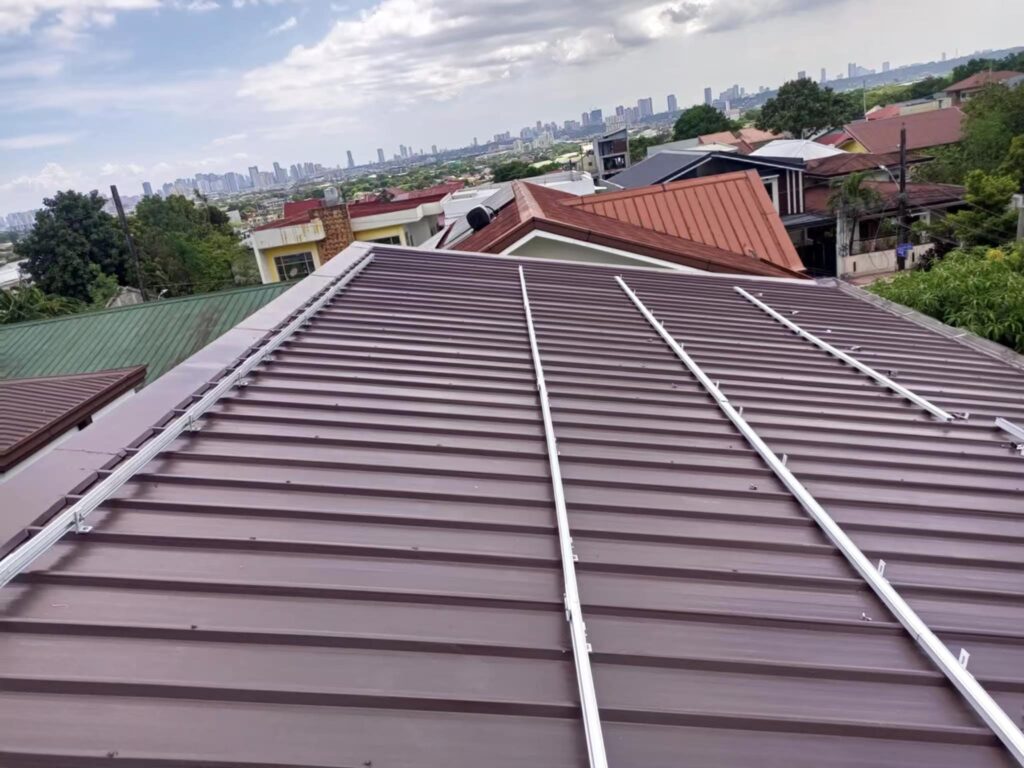

The Foundation of Your Solar System
Solar mounting brackets are the foundation of any solar system, yet they fly under the radar. Their work is straightforward—secure the panels, protect them, maximize their longevity. The quality of the mount means a lot. Quality brackets hold panels stable for 25 years, the life of premium modules. A sturdy base, with steel poles or square foundations in concrete, relieves the stress from the panels and allows them to weather wind, rain and snow without folding or twisting. Digging the proper-sized hole to the right depth is the very first thing you do before you install any mount. The right foundation is more than just about holding weight. It’s about weathering storms and making sure power stays on, even when the going gets tough.
Your type of bracket will also impact on the efficiency of your panels. Durable, hot-dip galvanized steel or Zn-Al-Mg coated brackets prevent rust and ensure the system stands strong outdoors. These, particularly the C channel steel from top Chinese factories, are durable and provide a great value. They are budget friendly and that doesn’t compromise durability or excellence. Proper mounting means panels can be tilted just right to catch the most sun, which increases energy output. Pre-assembled and modular designs help projects go quicker, reduce on-site labor and ease shipping. For overseas purchasers, this is a significant advantage—less time on location, reduced errors and reduced labor expenses.
| Bracket Quality | Material | Lifespan (years) | Corrosion Resistance | Install Speed | Cost Efficiency |
|---|---|---|---|---|---|
| Basic | Painted Steel | 10–15 | Low | Slow | Low |
| Standard | Hot-Dip Galvanized | 20–25 | Medium | Moderate | Good |
| Premium | Zn-Al-Mg Coated Steel | 25+ | High | Fast | Best |
Engineering a Resilient Solar Structure
Here’s why a strong solar mounting bracket matters for both safety and yield. Solar panels otherwise not well supported can snap in storms or high winds. It pays to select the optimal mounting arrangement for your particular site, panel-type and climate. In the solar market, the majority of buyers seek solutions that remain resilient over time, complement an array of panel brands, and install quickly at scale.
- Roof-mounted brackets: Work for homes and buildings, save space, but need to fit the roof type and angle. They have to dissipate load effectively and employ robust points of attachment.
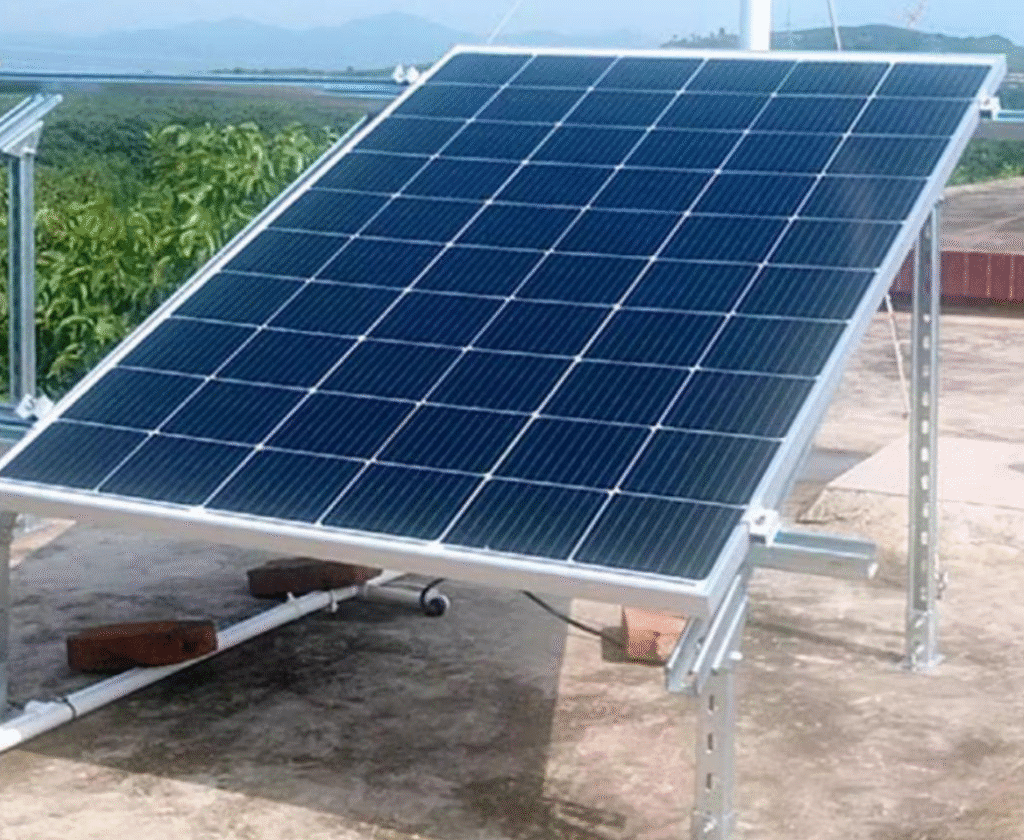
- Ground-mounted brackets: Good for larger fields or places with no roof access. Air flow and cooling, and provides easy cleaning. We need strong foundations to withstand wind!
- Pole-mounted brackets: Use a single post per panel or set. Handy in tight or irregular spots. May be elevated for snow or flood zones but are more expensive per watt.
Adjustable brackets allow users to tilt panels to track the sun, which can enhance power generation. Fixed brackets are easier and require less maintenance, but may not capture as much sun in winter or at high latitudes. Modular, pre-assembled designs are now the norm, as they reduce install time and shipping expenses. C channel steel, hot-dip galvanized or Zn-Al-Mg coated, survives longer outside and trumps aluminum in brutal weather.
It is essential to be compatible with your selected PV system. All the joints must be strong. DIN 25201-rated locking fasteners keep modules tight even under wind. Cross-bracing provides both stiffness and demonstrates a design can handle side loads. Tightened connections have to battle slip from vibration. Locking devices to DIN 25201 part B assist significantly. Well-designed accounts for wind, hail, and seismic risks, not just sun. Post-install, routine inspections catch rust or loose bolts in their infancy, preserving the system’s safety for years.
Maximizing Energy with Proper Mounts
Maximize your energy output with the right solar mounts! Choosing a mount that allows you to adjust the tilt and angle is critical. When panels face the sun at a 90 degree angle they make more power. In many places, this means the panel tilt should change with the season: steeper in winter, flatter in summer. Adjustable mounts allow teams to change the angle. This can increase annual yield by as much as 40% versus fixed arrays. Bracket, for instance, that manually or tool-adjustment makes it easier to follow the sun’s path. The basic formula–tilt angle = latitude + 15° in winter and latitude – 15° in summer–is a good place to start. In real projects climate and roof type play a role as well. Steep slopes aid in snow regions and strong winds require more sturdy steel brackets such as hot-dip galvanized C channel profiles.
Panel placement based on more than just latitude. Local weather–clouds, shade from trees or buildings–can shade sunlight. So it’s clever to survey the site for shading, gauge the roof’s pitch and consider potential wind or rain exposure. The roof itself has to support the weight and prevent slippage. This renders your bracket material and coating choice matter. Q235 or Q345 steel, hot-dip galvanized or Zn-Al-Mg finished, lasts longer and is rust-stop.
A simple checklist for mounting brackets:
- Does the bracket allow tilt and angle adjustment?
- Is it constructed from durable, anti-corrosion steel (such as Q235/Q345)?
- Will it suit the type of roof and bear the panel load.
- Can they install it so it can avoid shade and face the right way.
- Do you have angle measuring and adjusting tools/software?
- Has the bracket passed quality checks (ISO, CE, SGS)?
The Unseen Costs of Poor Selection
Solar mounting brackets might seem identical at first glance, but choosing the incorrect system can trigger a series of unseen costs that surprise many B2B purchasers. The usual bother begins with maintenance. Systems with low quality steel or poor galvanizing can rust quick, particularly in harsh environments. That causes loose bolts, bent rails, or even roof leak paths. Over time, these small defects accumulate into major overhauls or even total system breakdowns. Badly-selected brackets can void product warranties. Most panel makers demand tested, certified mounting hardware to remain covered.
| Maintenance Issue | Possible Cost Impact | Example |
|---|---|---|
| Rust/corrosion | Ongoing replacement, labor | Replacing brackets every 3-5 years in coastal sites |
| Roof leaks | Water damage, downtime | Sheathing or rafter repairs after roof penetrations |
| Fastener loosening | Safety risk, callouts | Emergency site visits after wind events |
| Structural sag | Output loss, repairs | Bent rails causing panel misalignment |
| Warranty void | Replacement at own cost | Full panel system not covered due to poor racking |
Poor workmanship manifests itself in the form of careless welds, un-finished edges, or misaligned components on site. These blemishes don’t only appear ugly—they can create all kinds of havoc. For instance, roof-mount systems that aren’t designed to tight specifications may break the seal between roof layers, causing leaks and sheathing separation from rafters. This type of damage requires expensive repairs and occasionally an entirely new roof segment. Using brackets not engineered to withstand high wind or snow loads can result in entire arrays shifting out of position or breaking, which causes even larger repair costs and project delays.
Disregarding local building codes is another hazard. If mounting hardware isn’t UL listed or isn’t up to code, you can get hit with fines, reworks or even denied insurance claims. The up-front price of racking—often about $31.50 per square meter—sounds like a steal, but the hidden costs of flimsy systems, inadequate testing and lost certifications accumulate quickly across a 25-year lifespan. Selecting tried-and-true, hot-dip galvanized steel brackets from a certified factory sidesteps these problems and safeguards your investment.
Essential Components of a Solar Structure
At NEXTracker, we believe that a well-engineered solar structure begins with the right components, each having a defined responsibilities in maintaining panels firmly anchored and aligned for decades. The mounting bracket being the heart of the system, it’s working in concert with other components to ensure the entire installation withstands wind, rain, and time.
- Mounting brackets (C channel steel or aluminum)
- Mounting rails
- Module clamps (end clamps and mid-clamps)
- Roof attachments (with or without flashing)
- Screws and bolts
- Flashings
- Ventilation facility
The mounting bracket takes the bulk of the load, so it has to be both strong and crafted with care. It’s simply the best – C channel steel, hot-dip galvanized or Zn-Al-Mg coated, one of the strongest, most durable materials available to brave outdoor locations for decades. Mounting rails distribute the weight and allow you to position the panels at the correct angle. This tilt, known as the angle of solar incidence, aids in capturing more sunlight and generating more energy. End clamps and mid-clamps secure every panel, preventing any shifting or wind-lift. If you’re doing work on your roof, roof attachments and flashings prevent leaks and protect your roof from damage. Flashings are crucial for waterproofing, particularly in moist regions. All fasteners screws, bolts, etc., should be of the same metal as the structure frame to prevent rust.
A quality solar mounting structure requires proper ventilation. Ventilation helps cut the heat under the panels, which can increase the system’s output and extend lifespan. Mounts and racks represent only around 10% of the total install bill. Choosing premium options reduces maintenance and provides peace of mind.
Installation matters just as much as the components you select. Pre-assembled, modular designs accelerate on-site labor, reduce errors, and align with the typical EPC firm’s workflow today. It pays to choose kits that combine simple shipping, quick deployment and solid for roof or ground installations.
Best Practices for Installation
If you’re installing solar mounting brackets, doing it right is the key to safety and system strength. It doesn’t matter if you’re using ground-mount or optimizing rooftop designs, careful steps help keep panels rock-solid for decades. For complicated installations or commercial-scale arrays, collaborate with accredited installers who understand regional codes and guidelines. Simpler DIY kits fit small projects, but test the roof’s structure first.
A robust install begins with a site check. Check rafters from attic or beneath roof to ensure they will support weight. For roofs, drill cautiously. Finish covering all holes with appropriate sealant or flashing to prevent leaks. Waterproof twice, because water damage can kill both the roof and system. Best installed with hot-dip galvanized C channel steel or Zn-Al-Mg coated brackets for rust protection—these weather rain, sun and snow with endurance. Best of all, Chinese-made mounting systems trade off low cost for long life—a wise choice for big projects.
Make their install process easy and transparent. Here’s a checklist:
- Measure roof or ground area for correct panel fit.
- Mark and drill pilot holes in safe spots, missing weak points.
- and install roof hooks or ground anchors, then caulk each hole.
- Add rails or racking—double-check with a level.
- Secure clamps and brackets, spacing for optimal wind and snow load.
- and panels, installed at the optimal year-round sun-angle tilt.
- Complete — tighten all bolts, check spacing, and examine for sharp edges.
Select the appropriate racking style – rail, rail-less, or shared-rail – to fit the roof and job size. Each has its trade-offs in speed, cost and parts used. Remember, mounts are about 10% of total job cost, but good ones ward off future headaches. For buyers, seek ISO-certified, pre-assembled kits that ship well and require less on-site labor.

Conclusion
Choose the right solar mounting bracket, stay with strong steel, smart design, and real test data. The best brackets stand up to wind and rain. They’re durable and they protect your panels. You need a solar mounting bracket that’s easy to install, reliable and compatible with your roof or ground. Quality mounts are more than just metal—they’re time savers and risk reducers. Imagine actual work in South Africa or Brazil with rugged brackets that held panels protected in the storm. Seek out easy builds, transparent specs, and sincere support. Need a quote or want design assistance? Contact us for full specs or a free plan. Smart choices today equal less stress tomorrow and a solar setup that hums along for years.
Frequently Asked Questions
What is a solar mounting bracket?
A solar mounting bracket is a component used to secure solar panels to roofs, ground surfaces, or other structures. It keeps panels secure and positioned for maximum energy generation.
Why is choosing the right solar mounting bracket important?
The proper bracket protects your solar panels for a secure and efficient installation. Bad choice can result in destruction, inefficiency, and increased lifetime maintenance expenses.
What materials are solar mounting brackets made from?
Most solar mounting brackets are constructed from aluminum or stainless steel. They’re light, strong and anti-corrosive, all key for long-term outdoor deployment.
How do solar mounting brackets affect energy production?
Well installed brackets orient your panels at the perfect angle. This optimizes sunlight, enabling your system to produce the maximum amount of energy.
What are the main components of a solar mounting system?
Common components of a solar mounting include brackets, rails, clamps, and fasteners. All components collaborate to firmly secure the panels.
Are solar mounting brackets suitable for all climates?
Yup, good brackets are built to resist weather, wind, rain, and snow. Make sure you always review the product specifics for your climate.
What are best practices for installing solar mounting brackets?
Listen to the manufacturer’s directions. Make sure that brackets are fastened firmly to your structure, use the proper tools and verify alignment to avoid damage and ensure optimal system performance.
