 跳到内容
跳到内容 A Comprehensive Guide to Solar Structures for Accessory Solar Panel Installations
Renewable energy adoption is growing rapidly worldwide, and solar photovoltaic (PV) systems have become a cornerstone of sustainable power solutions. While ground-mounted solar farms and rooftop solar arrays dominate large-scale deployments, accessory structures such as carports, pergolas, detached garages, and sheds increasingly serve as practical, multi-purpose platforms for solar energy generation.
Setting up solar panels on accessory structures requires careful consideration of the solar structure — the mechanical framework supporting and securely mounting the panels to these secondary buildings. This article explores in detail the engineering, design, and installation processes for solar panels on accessory structures, helping project owners, designers, and contractors optimize performance, durability, and safety.
As specialists in steel fabrication and supply, C Channel Steel offers customized, high-strength C channel steel and related profiles ideal for solar mounting frameworks, ensuring strong, corrosion-resistant solar structures that meet stringent load and environmental requirements.
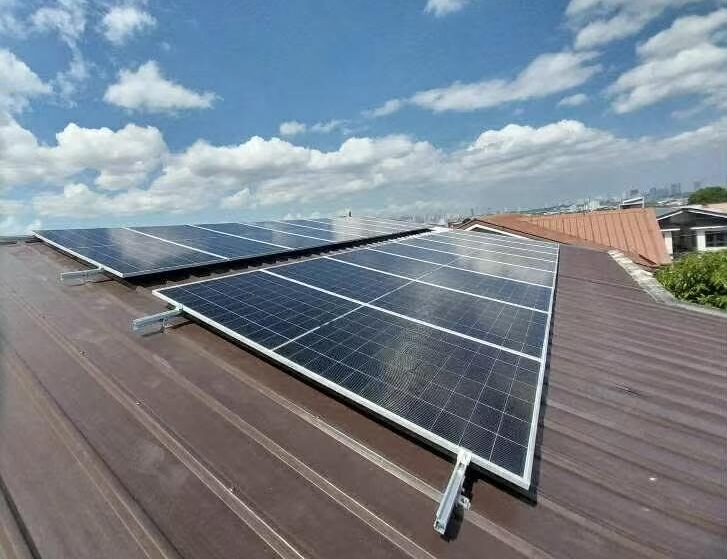

1. What Are Accessory Structures and Why Use Them for Solar?
Accessory structures refer to secondary or auxiliary buildings or frameworks on a property, often not the primary living or commercial space but providing important functions. Examples include:
- Carports and covered parking shelters
- Pergolas, gazebos, or patio covers
- Detached garages, barns, and storage sheds
- Outdoor canopies or walkways
Why mount solar panels here?
- Efficient use of space adds renewable energy generation without requiring additional land.
- Dual functionality: e.g., carports provide shade and weather protection, while generating energy.
- Can reduce electrical wiring distance if near the primary building or grid connection.
- Often simpler permitting compared to large ground mounts.
However, accessory structures typically have lighter structural elements and less robust foundations than traditional roofs or ground mounts, so structural design and material choice of solar mounting frames become critical.
2. Fundamentals of Solar Structures for Accessory Installations
A solar structure is essentially the support system that holds solar panels securely at the correct tilt and orientation, protecting them against environmental loads such as wind, snow, and seismic events.
A well-designed solar structure:
- Optimizes the solar panel angle and orientation for maximum energy generation.
- Provides rigidity and strength to prevent deformation, damage, or failure.
- Facilitates airflow under panels for cooling to maintain efficiency.
- Allows for straightforward installation, maintenance, and future upgrade access.
- Protects the roof or accessory building from water penetration or other damage.
3. Common Types of Accessory Structures for Solar Panel Installations
3.1 Solar Carports
Solar carports are one of the fastest-growing accessory solar applications. They incorporate a steel-framed canopy elevated over parking spaces with integrated PV panels.
- Require robust steel frames, often fabricated from galvanized or powder-coated C channel steel for strength and corrosion resistance.
- Must accommodate vehicular clearance, typically 7 to 8 feet minimum height.
- Can include lighting and EV charging infrastructure.
3.2 Pergolas and Gazebos
- Usually wood or light metal framed. When retrofitting for solar, steel framing can be integrated or substituted for enhanced load capacity.
- Panels may be mounted directly on rafters or on separate rails supported by the pergola frame.
- Structural reinforcement may be needed to handle solar module and wind loads.
3.3 Detached Garage or Shed Roofs
- Often smaller scale with existing roofing materials.
- Solar panels can be roof-mounted similarly to conventional rooftop panels but may require additional structural reinforcement if roof framing is light or aged.
- The mounting system should ensure waterproof penetration sealing and weight distribution.
3.4 Canopies and Walkway Covers
- Thin steel-framed or aluminum structures supporting roof panels or lightweight coverings.
- Solar panels are integrated as roofing elements, often requiring precise structural calculations to safely bear panel weight and environmental forces.
4. Essential Components of Solar Mounting Structures for Accessory Buildings
| Component | Description | Material & Notes |
|---|---|---|
| Base Attachments | Connect solar structure to building or foundation | Stainless steel bolts, anchors, pre-embedded inserts |
| Primary Frame (C Channel Steel) | Main structural beams supporting panels | Galvanized/powder-coated steel channels, sized for load |
| Mounting Rails | Horizontal rails fixed to primary frame | Aluminum or steel, secure panel placement |
| Panel Clamps | Hold panels tightly on rails/frame | Mid and end clamps, corrosion-resistant |
| Flashings & Sealants | Waterproof roof penetration protection | Flexible rubber or metal flashing, high-grade sealants |
| Adjustable Brackets | Allow panel tilt angle adjustments | Steel or aluminum with locking pins |
| Fasteners & Hardware | Bolts, nuts, washers, rivets | Stainless or zinc-plated steel |
5. Structural and Material Design Considerations
5.1 Load Calculations
- Wind loads: Structures must withstand uplift, lateral forces per local code (e.g., ASCE 7 standards).
- Snow loads if applicable, especially in colder climates.
- Dead loads: Weight of panels, mounts, cables, plus expected accumulations.
- Seismic considerations in applicable regions.
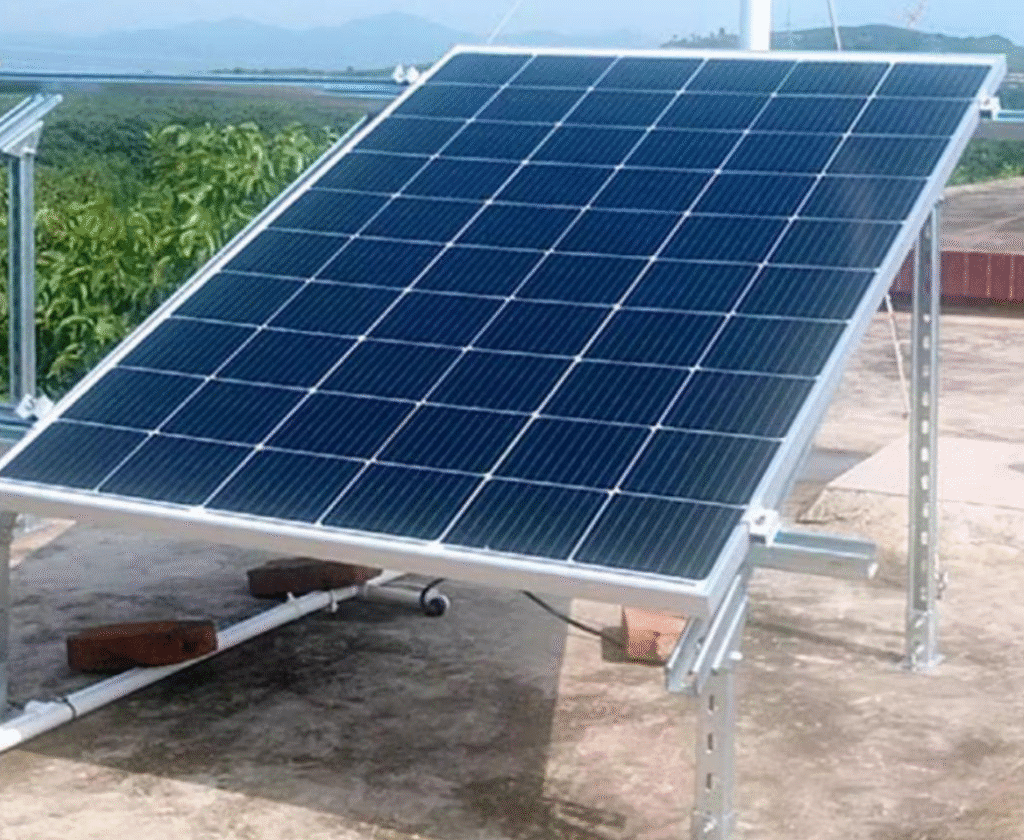
5.2 Material Durability
- Hot-dipped galvanized steel C channels are preferred for structural frames due to their high strength and excellent corrosion resistance for long outdoor service.
- Aluminum can be used for rails or lighter supports due to ease of handling and corrosion resistance but is less strong than steel.
5.3 Roof Compatibility and Penetration
- Proper flashing and sealing around roof penetrations prevent leaks.
- In some accessory structures with non-roof mounting (e.g., carport), attachment points can be foundation-anchored, reducing roofing damage.
5.4 Thermal Expansion Accommodation
- Outdoor temperature variations cause metal expansion/contraction; allowing movement at joints avoids fatigue failure.
6. Step-by-Step Guide to Setting Up Solar Panels on an Accessory Structure
Step 1: Site & Structural Assessment
- Evaluate accessory structure dimensions, orientation, and structural integrity.
- Check local building codes and obtain all necessary permits.
Step 2: Design Selection
- Choose appropriate mounting system (fixed, adjustable tilt, or tracking).
- Select steel channel dimensions and components meeting load and span requirements.
- Plan electrical layouts and cable routing.
Step 3: Prepare Accessory Structure
- Reinforce structure as needed with additional steel members or footings.
- Seal waterproofing measures for roof penetrations.
Step 4: Install Mounting Framework
- Secure base attachment points.
- Erect C channel steel frames and rails, ensuring level and alignment.
Step 5: Attach Solar Panels
- Lift panels and secure with clamps, observing recommended torque and spacing.
Step 6: Electrical Hookup & Testing
- Wire panels to inverter/controller systems.
- Test system electrical parameters and ensure safe grounding.
Step 7: Inspection and Maintenance Planning
- Inspect mechanical assembly and electrical connections.
- Schedule periodic maintenance checks.
7. Comparison Table of Solar Mounting Structures for Accessory Structures
| Mounting Structure Type | Typical Accessory Structure | Material | Complexity | Load Capacity | Key Advantages | Challenges |
|---|---|---|---|---|---|---|
| Fixed C Channel Steel Frame | Carports, Canopies | Galvanized steel | Moderate | High | Strong, durable, versatile | Requires expert design |
| Aluminum Rail Mount | Pergolas, Gazebos | Aluminum | Low | Moderate | Lightweight, corrosion resistant | Limited heavy load capacity |
| Ballasted Mount | Flat accessory roofs | Steel + ballast | Low | Moderate | No roof penetration | Adds dead load to structure |
| Adjustable Tilt Frame | Detached garage roofs | Steel/Aluminum | Moderate | High | Optimizes solar yield | More parts and installation effort |
| Pole Mount | Small freestanding structures | Galvanized steel | Moderate | High (with proper foundation) | Elevation, reduced shading | Foundation design critical |
8. Common Challenges and Practical Solutions
- Waterproofing: Use professional-grade flashing kits and regular inspections to prevent leakage.
- Corrosion protection: Specify hot-dip galvanizing or powder-coating for steel elements.
- Wind and snow loads: Follow local engineering standards for load curves and factor-in safety margins.
- Structural reinforcement: Add cross-bracing or thicker C channel sections where necessary.
- Access and maintenance: Design pathways or removable panel sections for cleaning and repairs.
9. Maintenance, Safety, and Compliance
- Follow national and local building and electrical codes (IBC, NEC, ASCE 7, etc.).
- Routine inspections to detect loose fasteners, corrosion, or electrical failures.
- Safety during installation: use fall protection, electrical safety protocols, and proper PPE.
10. Why Choose C Channel Steel from C Channel Steel?
- High strength steel products precisely fabricated for solar support needs.
- Industry-standard corrosion protection ensures longevity.
- Custom sizing and fast delivery streamline your construction timeline.
- Deep experience serving solar mounting fabricators and installers nationwide.
- Competitive pricing balances quality and budget.

11. Conclusion
Setting up solar panels on accessory structures requires a carefully engineered solar structure designed for the unique constraints and opportunities these secondary buildings present. With the right design, materials—especially galvanized steel C channel—and skilled installation, accessory solar systems can maximize return on investment, increase property functionality, and contribute to sustainable energy goals.
At C Channel Steel, we are committed to providing the structural steel backbone your solar projects need for unparalleled performance and durability. Contact us today for expert guidance, custom steel fabrication, and technical support tailored to your solar accessory structure installation.
