 跳到内容
跳到内容 Key Takeaways
- We have various solar mounting bracket types, tailored for different installation requirements, from residential rooftops to utility-scale solar farms and off-grid installations.
- Selecting the appropriate material, be it aluminum, stainless steel, or galvanized steel, is paramount for ensuring durability, affordability, and long-term performance across various conditions.
- We believe it’s critical that we engineer and design brackets for local climate factors such as wind, snow and seismic so installations are safe and dependable.
- We found the fixed vs adjustable tilt decision to be interesting, touching both solar production and maintenance, so we suggest you weigh your site and energy objectives carefully.
- We consider every solar installation to be a complete system in which our mounting brackets need to integrate seamlessly with other components for optimal efficiency and longevity.
- Adhering to manufacturer recommendations and conducting routine inspections are both practices we follow to provide our clients with reliable, steadfast solar panel installations.
A solar mounting bracket is an essential component that secures solar panels onto roofs or ground frames. We fabricate our brackets from hot-dip galvanized Q235 steel and employ pre-assembled designs to reduce install time.
Our brackets carry mono and poly PV panels, match global project standards and comply with CE or SGS regulations. Our factory operates rigorous ISO 9001 inspections and ships fast globally.
Below, we divulge what purchasers require for secure, durable installs.


Solar Mounting Bracket Types
Solar mounting brackets are the backbone of solar panel installations, comprising approximately 10% of the total system cost. We provide an array of designed mounting options for various project requirements, all having specific advantages and applications. Here are the primary types, their use cases, and what differentiates them for global B2B buyers.
1. Roof-Mounted
Roof-mounted brackets are our most popular for residential and small business. These brackets mount directly to the roof’s framing, so they’re steady even in heavy winds. There are two main options: flush-mounted brackets, which keep panels close to the roof, and tilted brackets, which help catch more sunlight on sloped surfaces.
Both types use secure roof attachments, module clamps and mounting rails. Solid installation is crucial to prevent leaks and keep panels secure, particularly in storms. Roof age and material—tile, metal or asphalt—direct bracket selection and installation techniques.
2. Ground-Mounted
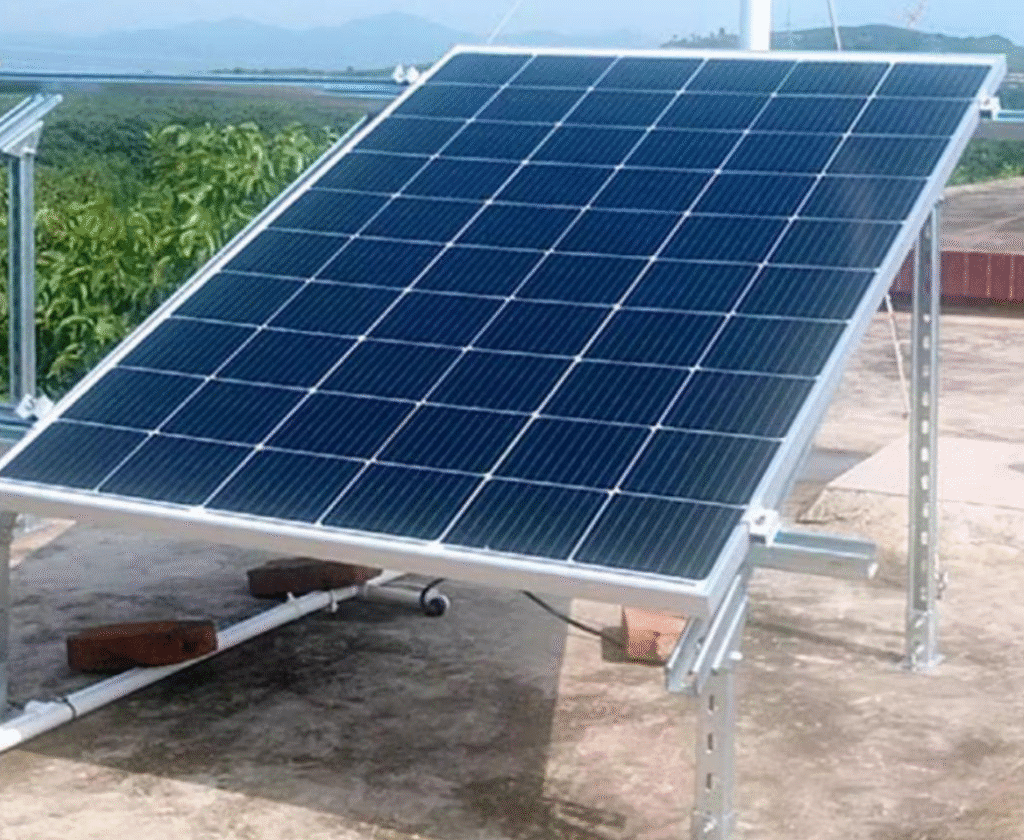
Ground-mounted brackets are ideal for solar farms and large sites with less than optimal or limited roof space. These are ground-based systems, which means there is no roof to be drilled into or modified. They require space to set up and certain locations may require permits.
The open design provides perfect south-facing orientation resulting in more consistent output than roof alternatives. These brackets are simple to scale and maintain, which counts for B2B customers eyeing larger arrays or eventual expansion.
3. Pole-Mounted
Pole-mounted brackets are versatile, typically used in off-grid installations or where existing roofs can’t support panels. We put a pole in the ground, then mount panels on top. The pole, of course, can tilt and turn, allowing us to direct panels for optimal sun exposure throughout the year.
Digging and setting the pole requires attention, but this style is excellent for solar water pumps, lamps and small remote installations. It’s our standby for installations way out in the boonies from structures or power lines.
4. Façade-Mounted
Façade mounted brackets secure panels on the walls of buildings rather than the roof or ground. This type complements contemporary architecture, integrating solar with the appearance of a structure. Walls have to be capable of supporting the load.
It’s a clever choice for lofty or congested urban locations.
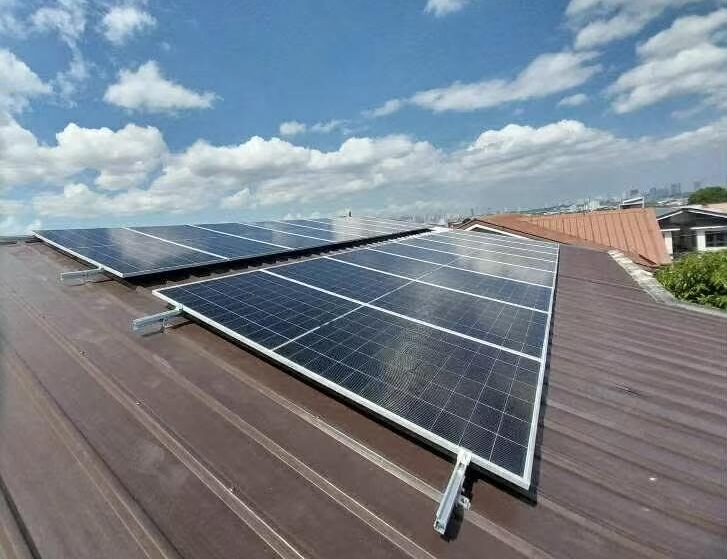
5. Ballasted Systems
Ballasted systems add weights—no holes or bolts—to hold panels in place on flat roofs. It prevents harm to roofs, a bonus for leased or aged structures. Weight should be distributed so panels don’t move during storms.
Certain municipalities have regulations regarding the maximum weight allowed on a roof, so verifying building codes is important.
Why Material Choice Matters
Material choice matters for solar mounting brackets because it’s not just a technicality — it’s a choice that defines system safety, cost, and project longevity. More than 70% of solar system failures originate from the mounting. The perfect material can extend a system’s life beyond 50 years; the wrong one equals more damage and expense.
We concentrate on helping buyers consider choices that combine value with strong support – particularly for mega projects and exports.
| Material | Key Benefit | Typical Lifespan | Cost Efficiency | Best Use Case |
|---|---|---|---|---|
| Aluminum | Lightweight, rustproof | 25–40 years | High | Rooftop, light structures |
| Stainless Steel | Extreme durability | 40–50 years | Low | Coastal, harsh climates |
| Galvanized Steel | Budget-friendly, strong | 20–30 years | Very High | Ground-mount, large scale |
| Composite/Nano-Coat | Weather resistance | 30–50 years | Medium | Extreme climates |
Material choice alters the frequency with which crews have to inspect and repair brackets. Corrosion-resistant metals help keep maintenance down, particularly in inclement weather. In coastal zones, stainless or nano-coated steel systems now account for 30% of new construction.
Aluminum is the winner for flexibility, representing 45% of worldwide installs. Environmental factors—like salt air, high winds, or snow—dictate which material will work best.
Aluminum
Aluminum brackets are light, easy to handle, and sit perfectly on weight-conscious roofs. They don’t rust, so they’re good for wet or rainy environments.
They are cheaper to ship and install, and their price doesn’t fluctuate. Aluminum’s strong enough for most panel sizes, but not necessarily for heavy wind or snow. Aluminum assists in reducing the system’s carbon footprint because it’s super recyclable.
Stainless Steel
Not to mention stainless steel, which stands up to tough weather and is perfect for coastal or other high-humidity locations. It holds up through storms, heat, and sea air.
It just looks sharp, too, so we use it for exposed rooftops or carports. The one downside: it’s costly, so it’s best for projects where long life outweighs price.
Galvanized Steel
Galvanized steel is the workhorse for large projects. It’s sturdy and inexpensive, assisting in reducing costs for ground-mounted farms.
While its anti-rust layer survives the majority of climates, it requires inspections in salty air or heavy precipitation. Others, like certain steel systems, after applying new coatings, have lasted an additional decade—a tremendous longevity increase for huge scale sites.
It’s denser than aluminum and might require more maintenance, but excels in extensive, arid regions.
Composite & Nano-Coated Steel
Composites are growing fast—up 15% in harsh climates.
Nano-coatings boost steel’s life, especially near the sea.
Great for sites with snow, heat, or rain.
Low upkeep, solid choice.
Designing for Your Climate
Solar mounting brackets should align with local weather to protect panels and maintain performance for years. We design our mounts to withstand a number of climates—wind, snow, heat and more—so they comply with both safety and performance requirements in any area.
We rely on structural engineers — who assist us in complying with codes and ensure every project fits local hazards. We’re big fans of hot-dip galvanized C channel steel and modular pre-assembled kits, which provide powerful anti-corrosion and simplify shipping and installs.
Key environmental factors that shape bracket design:
- Wind speed and gust history
- Average and peak snowfall
- Seismic risk or earthquake frequency
- Daily and seasonal temperature swings
- Humidity and risk of corrosion
- Salt exposure in coastal regions
- Local building codes and permit rules
Wind Loads
High wind can pry panels loose or rip out brackets. We never fail to site check wind records and run wind load calculations. In open fields or tall buildings, gusts can pound panels from below and top, so serious anchoring is mandatory.
Deep-grooved brackets, heavy-duty clamps, and additional anchor points go a long way. Our C channel steel rails, tested for up to 60 m/s wind, provide peace of mind for most areas. Wind ratings assist us in selecting the appropriate bracket for the application, whether it’s an urban rooftop or a hurricane area.
Snow Loads
Snow accumulates and weighs down panels in frigid locations. If brackets are too flimsy, frames will either bend or snap beneath the load. Wet snow blocks light and can freeze mounting components.
We use thicker steel and additional bracing for snow regions, as panels may be subject to up to 1.4 kN/m² of force. Mounting at a steeper tilt helps shed snow quickly, while stainless steel bolts keep rust at bay. Frequent storm checks help systems stay safe and operational.
Seismic Activity
Earthquake zones require extra special attention. Mounts need to accommodate shakes and quick jostles. So in these locations, we include cross-bracing, more anchor bolts and flexible joints that bend but don’t snap.
Codes such as Eurocode 8 or local regulations dictate our bracket selections. Engineers verify soil, panel weight and building type to align with the appropriate system. In this manner, panels remain secure and protected, for years to come.
The Tilt System Dilemma
Fixed or adjustable tilt systems are often one of the biggest decisions for solar mounting brackets. The correct selection determines output, accessibility and price for decades. There is no one-size-fits-all solution—it depends on where the project is, the climate, and the needs of the users.
- Fixed tilt: easy upkeep, simple install, lower price, but less efficient in all seasons
- Adjustable tilt: better energy output, matches the sun’s angle, needs more work to set up and adjust
- Fixed systems: suit big ground or rooftop arrays, where labor or access for adjustment is limited
- Adjustable systems: great for users who want to get the most energy, or in places with big swings in sun angle
- Maintenance: more moving parts mean more time and effort for adjustable options
- Seasonal shifts: adjusting tilt can boost output, but it’s often skipped due to hassle
- DIY trends: some design tilt systems with 8020 extrusions or slides, but these can add complexity
- No one-size-fits-all: best choice depends on site, weather, and how panels are used
Fixed Tilt
Fixed tilt systems are great because they require very little maintenance and are dependable. Our C channel galvanized steel brackets, made from Q235 or Q345 steel and hot-dip galvanizing, withstand outdoor exposure and severe weather without maintenance or moving components. These are great for large projects in places with consistent sun and for customers looking for a ‘set it and forget it’ solution.
On most global sites, a fixed tilt in the 20° – 35° range works year-round, but it’s a compromise. This tilt perhaps won’t hit full production every season, it minimizes active management and lowers operating expense. Installers love the ease—fixed tilt mounting is quick, particularly with our pre-assembled, modular kits. This means less downtime and less field errors.
The main drawback is energy output: a fixed tilt can’t match the performance of panels that track the sun or are adjusted for each season.
Adjustable Tilt
Tilt systems allow users to adjust panel angles throughout the year, as the sun’s position changes. This comes in handy particularly in areas that experience distinct seasonal shifts in solar altitude. In field examples, van owners or off-grid users will often tilt their panels to 34° in winter and up to 80° in summer, extracting more juice from the same hardware.
Seasonal adjustments translate into greater energy production, although it’s not always so easy. Changing tilt typically requires loosening and retightening multiple bolts—a tedious job, especially on larger arrays. For others, engineering DIY tilt kits with extrusions or slides introduces versatility, but means more components to upkeep.
This additional complexity can translate to more expensive upfront costs, more maintenance, and a more demanding learning curve for installers or operators. For sites where squeezing every ounce of output is paramount, the efficiency and energy savings gains over time can be worth the trouble.
Beyond the Bracket: A Systemic View
We think of solar mounting brackets as more than just hardware. They’re at the center of the entire solar system — connecting panels, roof or ground, and everything else. When we think about brackets, we step beyond the one part. We consider the whole puzzle, from initial designing to maintenance for a decade. It is this “systemic” view that motivates our work.
Brackets hold up more than panels. They have to fit with lots of different panel types and sizes, because no two projects are alike. We design our C channel steel and modular racks to accommodate a variety of configurations, ranging from small rooftops to large solar farms. This reduces lead time and allows purchasers to more easily scale projects.
A solid mounting foundation ensures panels maintain proper tilt and orientation. It seems straightforward, but the proper angle can increase energy output. A well designed bracket system ensures that panels capture the most sun they can throughout the year.
For large projects, have faith in the stacking system is all. If the bracket goes, the entire project is jeopardized. That’s why we use Q235 and Q345 steel, with hot-dip galvanizing or Zn-Al-Mg for weather wars and rust fights. These options make our racks endure longer, with fewer parts to exchange.
We engineer for rapid bolt-on installs as well, enabling EPC teams to save even more. With pre-assembled options and easy guides, crews are on site less. That keeps projects in time and on cost.
We don’t stop with design. Routine inspection and maintenance of the brackets ensures the system remains safe and effective for years to come. Our systems are designed for low-maintenance, with convenient access to bolts and rails, so crews can inspect for wear and repair fast.
Ensuring a Secure Installation
A secure solar mounting bracket installation begins with a solid foundation. Our C channel steel frame, constructed from hot-dipped galvanized Q235 or Zn-Al-Mg coated steel, provides that rigidity. These metal racks—positioned on roofs or on the ground—secure panels so they’ll perform for decades, even in inclement weather.
We think of brackets as more than simply supports. They are central for the entire system’s longevity and productivity, and they need to be up to rigid criteria to perform their work.
A Checklist For Safety
We adhere to a straightforward checklist to ensure each install is secure. First, verify the load capacity on the roof or ground. Then leverage our pre-assembled brackets, which reduce install times and minimize the potential for mistakes.
Make sure you use the correct roof attachments, module clamps and mounting rails. Verify the tightness of each anchor bolt. Rely on our step-by-step guides, which demonstrate how to install and secure each component, to prevent roof leaks or panel shifts.
Install it securely with our hardware—swapping in unknown parts can compromise the frame. We emphasize the importance of our manuals throughout the installation. Our tips are field-tested everywhere–South Africa, SE Asia, Europe, you name it.
By the book installation means your panels will be secure in wind, snow, and sun. If the installer shortcuts or employs an improper technique, the system can slide or collapse. This might be lost power, broken panels, or safety hazards.
That’s why we back our partners with straightforward directions and provide training if necessary. Regular inspections are important, too. We suggest a complete check-up following major storms or at a minimum annually.
Check for rust, loose bolts, or alignment shifts. Even the best system requires maintenance to remain durable for a quarter century or beyond.
Conclusion
We craft every solar mounting bracket with precision and passion, using durable Q235 steel and heavy zinc coatings. Our components are right for rooftop or ground projects, collaborating with all sorts of solar panels, and endure harsh wind and snow. We keep our designs simple, so set up is quick and easy. We verify each step, from making steel to packing for shipping. Hundreds of companies in South Africa, the Middle East and Southeast Asia trust us to protect their projects. Looking for actual project photos or a complete tech sheet? Contact us today and we’ll assist you in choosing the ideal solution for your location.
Frequently Asked Questions
What are the main types of solar mounting brackets?
We have roof, ground and pole mounting brackets. Each type supports different solar panel setups to fit different buildings, landscapes, and energy needs.
Why is the material of a solar mounting bracket important?
We use materials such as aluminum or stainless steel because they won’t rust and will stand the test of time. It’s what keeps your solar system safe and efficient for years.
How do we select the right mounting bracket for our climate?
We take your local weather, i.e. Wind, rain, snow into account. We suggest brackets proven to withstand these elements, ensuring your panels stay put in any weather.
What is a tilt system in solar mounting, and why does it matter?
A tilt system allows us to angle panels for optimal sun exposure. This boosts energy production, particularly in locations with shifting sun positions from season to season.
Do solar mounting brackets affect panel performance?
Yeah, the right brackets position panels for maximum sunlight. This increases productivity and longevity of your solar system.
How do we ensure a secure solar bracket installation?
We adhere to rigorous installation standards, utilize quality hardware, and load-test every bracket. This provides you security and dependable long term performance!
Is maintenance required for solar mounting brackets?
We suggest inspections. Inspect for loose bolts and swipe debris away. These easy checkups keep your solar mounting bracket safe and efficient.
