 跳到内容
跳到内容 Key Takeaways
- Evaluate your roof’s type, age and condition to make sure it’s up to scratch for solar panels and prime energy production.
- Safety first – building codes, load calculations, high wind and weather resistance.
- Structural engineers should be engaged early to deal with special architectural challenges and environmental impacts on your solar system.
- Opt for long-lasting corrosion-resistant hardware and use correct installation to preserve your structure’s integrity.
- Schedule maintenance, mitigating risks like shading, debris and water leaks to extend the life of your system.
- Experience cutting edge design and back green policies to accelerate the adoption of solar structure for new and retrofit buildings.
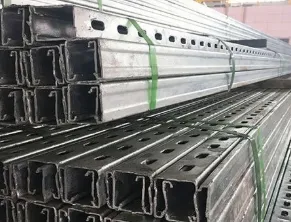
A solar structure is the mount or racking system that secures solar panels, whether on rooftops or at ground level. Constructed from durable steel such as Q235 or Q345, solar structures employ hot-dip galvanizing to ensure long life and combat corrosion. All components, such as rails and clamps, click fit for quick installation. These frames pass rigorous wind and snow tests. For B2B buyers, easy specs and verified factory support make projects smooth.

Your Roof’s New Responsibility
By installing solar, your roof is now responsible for more than covering your space. It has to bear the weight of every panel—typically 14 to 23 kilos—and the mounting system. The right roof provides consistent support and allows you to maximize solar power. Below are key things to think about before adding solar panels:
- Roof type and material (metal, concrete, or tile)
- Age and condition of the roof
- Slope and layout for best sun use
- Shading from trees, nearby buildings, or roof features
- Load limits: dead loads (the panels and mounts) and live loads (wind, snow)
- Ventilation to cut down on heat and moisture
Metal roofs, specifically, play well with solar. They are durable, tend to have a lifespan in excess of 40 years, and aid in maintaining a cool roof. A metal surface can reduce the roof’s temperature by as much as 13°C (about 55°F). This keeps solar panels operating closer to their optimum performance — roughly 25°C (77°F). Most solar mounting systems, such as C channel steel and pre-assembled brackets, are a good match with contemporary steel roofs. They install quick, reduce labor hours, and decrease installation hazards.
If your roof is older than 20 years, or if it leaks or has weak spots, it’s wise to replace it prior to mounting solar panels. Your roof needs to have 10-15 years left in it so it’ll last as long as the solar system. Doing both jobs in concert can boost your property value and can provide a return of 60 percent or more.
Shade makes a difference, as well. Watch for anything that could shade your sun. Even tiny shadows reduce power. Design your PV array to face the sun and optimize every hour of daylight. Good ventilation is it, too. New vent systems prevent heat and moisture from accumulating, which keeps the roof and panels in prime condition.
The Blueprint for Safety
A safe solar system begins with robust standards and designs that address universal requirements. For buyers and pros in solar jobs, safety is not a checkbox. It’s the foundation for every decision, from selecting steel gauge to verifying the correct bolt. A safety plan decisively reduces risk and keeps projects moving.
| Safety Protocols | Building Code Requirements |
|---|---|
| Use PPE on site | Must meet local fire code |
| Lockout/tagout for tools | Follow IEC and CE standards |
| Site fencing and signage | Wind/snow load as per ISO 9001 |
| Lift with rigging gear | Use certified anchor bolts and rails |
| Emergency drill plans | CE/SGS certification for hardware |
Load checks are central to safe design. For a ground-mount system, you must consider panel weight, wind speed (up to 60 m/s) and snow load (approximately 1.4 kN/m²). These dimensions determine the height and width of each C channel steel frame. Go hot-dip galvanized Q235 or Zn-Al-Mg steel for long life outside. Both provide powerful rust block, even by the sea or in moist locations.
Wind is a huge risk for solar frames. Mounting rails and clamps must remain secure when storms strike. Chinese-made mountingsystems are using modular, pre-set parts that pass worldwide testing. It not only meets CE and SGS marks, so you get proven strength. Designs with more rails and smart bolts provide stronger hold, so panels remain secure in extreme weather.
Safety is not just hardware Tough standards such as NFPA 855 apply to storage and solar facilities equally. Here in the U.S., it’s these rules and marks like UL 1973 and UL 9540 that build trust. They test whether components can withstand heat, shock and errors. Industry collaborates with standards organizations to maintain these rules current and transparent for everyone.

The Role of Structural Engineers
Structural engineers — the heart and soul of secure and dependable solar installations. Their work involves far more than selecting brackets or rails. They ensure that all components of a solar system can withstand practical application, regardless of whether it’s installed on a flat roof in Europe or on slanted terrain in South Africa. Here’s a table of how structural engineers influence each phase of solar project delivery.
| Task | How Engineers Contribute |
|---|---|
| Load analysis | Check roof or ground structure can safely carry PV system weight |
| Code compliance | Follow ASCE 7, IBC, and IRC for wind, seismic, and snow loads |
| Racking/attachment selection | Pick C channel steel and design for best fit, corrosion resistance |
| Structural evaluation | Inspect roof framing; confirm load paths and points of connection |
| Environmental factor assessment | Analyze wind, snow, seismic risks; check against local and global standards |
| Material recommendation | Favor hot-dip galvanized or Zn-Al-Mg steel for long-term durability |
| Design review | Tweak layout for best weight spread, fast install, and low cost |
All solar builds begin with an in-depth examination of the site and structure. Engineers inspect the roof framing—joists, beams, trusses—to determine if it can manage the additional load imposed by panels, rails and brackets. They estimate dead loads (the system’s weight) and live loads, wind, snow, as well as seismic forces. Adhering to ASCE 7-16 or IBC 2018 for example means no assumptions. For instance, in areas with high wind or snow, engineers sometimes upsize anchor bolts or specify higher-grade steel.
Material selection is important. Hot-dip galvanized Q235 or Zn-Al-Mg coated steel resists rust and weather much longer than bare steel or cheap aluminum. That’s why so many Chinese-made C channel racking systems are popular for export– they strike the right balance of price, longevity and shipping volume. Pre-assembled modular designs help jobsites run smoother and faster, reducing labor and risk for EPC teams around the world.
Essential Solar Structure Hardware
Solar structure hardware is the foundation of every solar project. Our core hardware line includes mounts, racks, clamps, rails and fasteners that secure solar panels and protect them for years. These components have to satisfy rigorous requirements for strength, precision, and durability.
- Mounts and racks: These hold panels steady on rooftops, ground, or poles. The top five are roof-mounted racks, ground-mounted racks, top-of-pole, side-of-pole, and tracking system racks. Each works better for different site requirements, panel size, and sun path. To illustrate, ground-mounted racks are widely used on large utility projects whereas roof mounts are ideal for homes or factories where space is tight. The air gap (roughly 2-4 inches) between the roof and the bottom of the panel aids airflow and minimizes heat buildup.
- Durable materials: Most racks and frames use aluminum or galvanized steel. Aluminum is light, rust resistant and pair well with many panel frames. Chinese C channel steel structures, hot-dip galvanized or Zn-Al-Mg coated, provide better corrosion resistance for extreme environments. They last longer and require less maintenance, which further reduces the long-term cost of ownership.
- Adjustable mounts: These let users set the tilt angle for best sun exposure. It’s a crucial feature for locations with varying sun exposure throughout the year. Adjustable racks are typical in ground and pole systems, so panels can receive maximum light, even if the sun’s trajectory shifts.
- Clamps and fasteners: Module clamps, mounting rails, and roof attachments must be tight and safe. Good fasteners resist wind, snow and dead and live loads without slipping or rusting. Pre-assembled brackets from reliable Chinese manufacturers reduce installation time and enhance job site safety.
It’s not just about parts. It’s about the right materials, intelligent design and proven construction. This makes certain every solar system stands tall, codes compliant and serving watts for decades.
Beyond the Obvious Structural Risks
Solar installations have more structural risk than high winds and snow loads. B2B buyers recognize that there are numerous less apparent but equally significant risks. Proper site planning and premium materials are required to ensure solar mounting systems remain secure and functional for years.
- Wildfires are a very real risk. Fire can wreck PV mounts, warp steel and create micro cracks in panels. Even when flames don’t touch the array, heat alone can weaken steel brackets and electronics. Smoke can extend for hundreds of kilometers, slicing sunlight and impacting power generation. By 2050, wildfires and their impacts could become increasingly frequent and prolonged in many areas, thereby increasing risks to PV projects.
- It’s easy to overlook debris accumulation but it can obstruct sunlight and contribute to added weight. Leaves and bird nests and trash piled up can clog drainage paths or trap moisture against steel, accelerating rust. Pre-assembled C channel steel mounts with smooth, sloped surfaces help shed debris and water, simplifying routine cleaning and reducing corrosion risks.
- We have to check for water tightness. Leaks from bad flashings or loose bolts can ruin roof decks and short out cables. Hot-dip galvanized steel and Zn-Al-Mg coat protect against rust, but water pooling around joints or fasteners is still a concern. Pre-drilled, pre-assembled modular mounts help reduce leak points and accelerate installation – essential for scale rooftop jobs.
- Equipment damage from fire isn’t just about panels. Inverters, cables and connectors are also susceptible. Even Class A modules just last approximately 10 minutes in fire tests, so additional measures—such as setback screens—can assist to keep flames at bay. Actual risk reduction is from intelligent system siting and good land management, not just choosing the right module.
- Regular inspections count. These inspections can catch loose clamps, corrosion or blocked drains early, before small things become big failures. This helps keep installations secure, reduces outages, and increases profits.

The Future of Integrated Solar Structures
TODAY, INTEGRATED SOLAR STRUCTURES ARE ALTERING THE RESPONSE OF SOLAR TO CITIES AND PROJECTS. New designs integrate solar right into the architecture. Rather than old panels jutting out, newer methods integrate solar into the structures themselves, so they’re more attractive and more effective for more people.
- Solar facades on tall buildings
- Solar windows that are 25% transparent and convert 20% of power
- Photovoltaic concrete for walls and floors
- Pre-assembled C channel steel mounting rail systems
- Shaded public spaces with solar roofs
- Lightweight rooftop solar for older buildings
- Plug-and-play ground-mount kits
Putting solar in new buildings is now an important piece of making energy clean and cheap. Glass fronts on buildings can now convert sunlight into electricity. For instance, new solar windows maintain 25% of their appearance and still provide 20% of the sun’s energy as electricity. Power-making concrete—photovoltaic concrete—keeps buildings sturdy and provides 12 percent efficiency, enabling entire walls and floors to generate electricity. These options allow businesses and municipalities to reduce costs and reduce carbon simultaneously.
Cities consume the majority of the world’s energy—more than 70%. Integrated solar = innovative new ways to energize cities and reduce pollution. Solar facades, energy-making parks and public spaces can reduce emissions by 45% within only a few years. When cities add more solar, citizens receive cleaner air, additional employment opportunities, and enhanced community-based energy.
Technology doesn’t stop evolving. Perovskite solar cells rose from only 3.8% efficiency in 2009 to more than 25% currently. Tandem cells that blend perovskite and silicon could achieve 35% efficiency shortly, with prices plummeting—below $0.10/watt by 2027. Neural networks assist by constantly adjusting solar panels for optimal power, increasing output by 18% via intelligent real-time switching.
Policy counts. City codes and incentives help integrated solar thrive. With the right policies, more rooftops, walls, and public spaces will turn solar, increasing value and accelerating the transition to clean energy.
Conclusion
Solar structure is more than just a way to hold up panels. It molds how a project operates, from initial design to final fastening. A quality frame provides peace of mind, controls costs, and withstands sun, wind and rain. Engineers and buyers want to know what they’re getting—clear steel grades, actual test data, evidence of work in hard places, such as high winds or heavy snow. Look for real-world cases: a roof in Cape Town, a ground rack in Brazil, or a big field job in the UAE. Want to see these mounts in action at your site? Request free design support or download the complete technical specifications. Receive solutions to match your work and your way.
Frequently Asked Questions
What is a solar structure?
A solar structure is the mounting system for your solar panels. It keeps panels safe, sturdy and angled toward optimal sun exposure.
Why is my roof’s strength important for solar panels?
Your roof must be able to sustain the extra load and strain of solar panels. A good roof protects the structure and improves the safety and longevity of the solar system.
What role do structural engineers play in solar installations?
Our structural engineers review your building and create safe mounting solutions. They verify the solar system is safe and complies with local building codes.
What hardware is essential for a solar structure?
Essential hardware consists of mounting rails, brackets, fasteners, and occasionally ballast. These are the pieces that keep solar panels safe and positioned correctly.
What are some hidden risks of installing solar structures?
Hidden risks embrace such things as roof leaks, water damage, and overloading the roof. Professional inspection and installation minimizes these hazards.
How do integrated solar structures benefit homeowners?
Integrated solar structures hide panels in the building design. This strategy enhances curb appeal, maximizes efficiency and can even increase your home’s worth.
What trends are shaping the future of solar structures?
Among the trends are lightweight materials, smart integration with building systems, and structures that maximize energy generation. These innovations render these solar systems more efficient and accessible.
