 跳到内容
跳到内容 Raising solar panels about 2 inches (approximately 5 centimeters) above the mounting surface is a common practice in solar installations. This slight elevation can significantly improve panel performance, durability, and maintenance ease. Selecting the right bracket to achieve this elevation is crucial for system stability and longevity.
In this comprehensive guide, we will explore the types of brackets suitable for raising solar panels by about 2 inches, analyze their pros and cons, and introduce how C Channel Steel’s products can offer an optimal solution for your solar mounting needs.
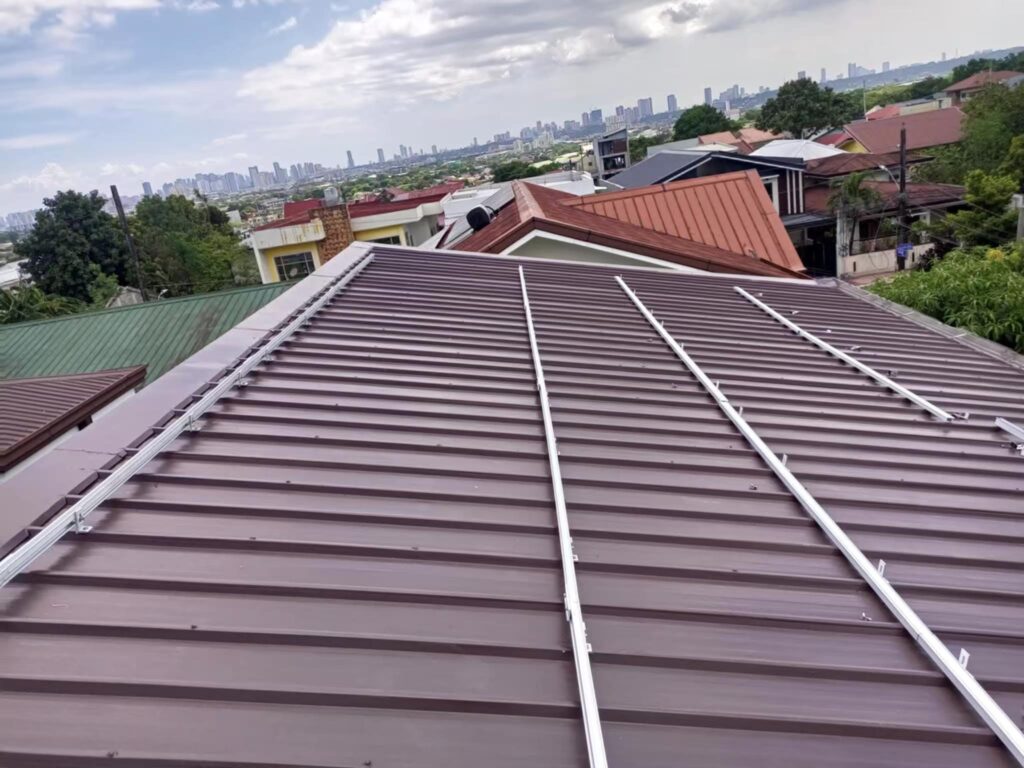

Why Raise Solar Panels About 2 Inches?
Before diving into bracket types, it’s important to understand why raising solar panels slightly above the mounting surface is beneficial:
- Improved Ventilation and Cooling
Solar panels generate heat during operation, and excessive heat reduces their efficiency. Elevating panels by 2 inches allows better airflow underneath, enhancing natural cooling and maintaining higher energy output. - Prevention of Water and Debris Accumulation
Raising panels helps avoid water pooling and accumulation of dirt or leaves beneath the panels, which can cause corrosion or shading issues. - Ease of Maintenance and Cleaning
The space underneath provides easier access for cleaning and inspection, ensuring panels remain in optimal condition. - Adaptation to Uneven Roof Surfaces
Slight elevation can compensate for minor roof irregularities, ensuring panels are mounted level and at the ideal tilt angle. - Protection of Roof Surface
Elevation helps reduce direct contact with the roof, potentially extending the roof’s lifespan by minimizing wear.
Common Types of Brackets to Raise Solar Panels About 2 Inches
Several bracket types can be used to achieve this 2-inch elevation. Each type has specific characteristics that suit different installation environments and requirements.
Angle Iron Brackets
Angle iron brackets, typically made from galvanized steel or aluminum, are one of the most robust solutions for raising solar panels. These L-shaped metal pieces can be custom cut and drilled to provide precise elevation and mounting points.
- Material: Hot-dip galvanized steel or aluminum
- Elevation: Customizable, easily set to 2 inches
- Installation: Requires drilling and bolting to roof or ground mounts
- Applications: Suitable for residential and commercial rooftop installations, as well as ground mounts
- Advantages: High strength, corrosion resistance, long-lasting
- Disadvantages: Installation requires tools and expertise, heavier than other options
Adjustable Aluminum Brackets
Lightweight aluminum brackets with adjustable height features allow installers to fine-tune the panel elevation. These brackets often come with slots or telescoping parts to set the height precisely.
- Material: Aluminum alloy
- Elevation: Adjustable, can be set to 2 inches
- Installation: Bolted or screwed in place
- Applications: Ideal for residential roofs and light commercial systems
- Advantages: Lightweight, corrosion-resistant, easier to handle
- Disadvantages: Limited load capacity compared to steel
ABS Plastic Drill-Free Brackets
Made from high-strength ABS plastic, these brackets are designed for easy installation without drilling. They are typically attached using adhesives or minimal fasteners, making them suitable for temporary or lightweight installations.
- Material: High-strength ABS plastic
- Elevation: Fixed or limited adjustability, often designed for around 2 inches
- Installation: Adhesive bonding or minimal screws, no drilling required
- Applications: Lightweight solar panels, portable systems, or installations where roof penetration is undesirable
- Advantages: Quick installation, no roof damage, protects panel edges
- Disadvantages: Lower durability and load capacity, less suitable for harsh weather
Rail-Based Mounting Systems
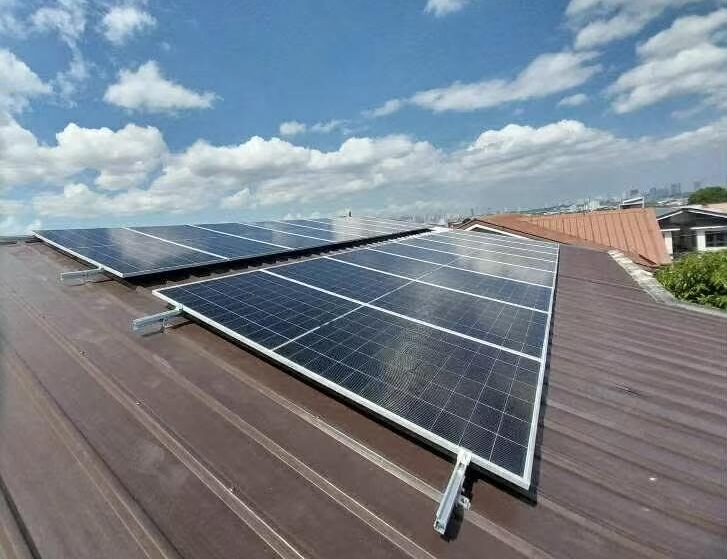
Rail systems consist of horizontal rails fixed to the roof or ground structure, with brackets or spacers used to achieve the desired elevation. The rails provide a stable base for mounting solar panels.
- Material: Usually aluminum
- Elevation: Adjustable via spacers or custom brackets, easily set to 2 inches
- Installation: Bolted or screwed to roof structure
- Applications: Large-scale commercial or residential solar arrays
- Advantages: High stability, scalable, easy to adjust panel tilt and height
- Disadvantages: Higher cost and longer installation time
Comparison Table of Bracket Types for Raising Solar Panels About 2 Inches
| Bracket Type | Material | Elevation Adjustability | Installation Method | Suitable Applications | Pros | Cons |
|---|---|---|---|---|---|---|
| Angle Iron Brackets | Galvanized Steel/Aluminum | Customizable | Drilling and bolting | Residential, commercial roofs, ground mounts | Very strong, corrosion-resistant, durable | Heavier, requires tools and expertise |
| Adjustable Aluminum Brackets | Aluminum Alloy | Adjustable | Bolting or screwing | Residential roofs, light commercial | Lightweight, corrosion-resistant, easy to handle | Limited load capacity |
| ABS Plastic Drill-Free Brackets | High-strength ABS Plastic | Fixed or limited | Adhesive or minimal screws | Lightweight panels, portable systems | Quick install, no roof penetration, protects panels | Less durable, lower load capacity |
| Rail-Based Mounting Systems | Aluminum | Adjustable via spacers | Bolting or screwing | Large-scale residential and commercial | Very stable, scalable, adjustable | Higher cost, longer installation |
How C Channel Steel Can Provide the Ideal Solution
At C Channel Steel, we specialize in high-quality steel products, including C-shaped channel steel beams that are ideal for solar mounting structures. Our products offer numerous advantages for raising solar panels by 2 inches or more:
- Superior Structural Strength
Our C channel steel beams provide excellent load-bearing capacity, ensuring your solar panels remain secure under wind, snow, and other environmental stresses. - Corrosion Resistance
We offer hot-dip galvanized steel and powder-coated finishes that protect against rust and corrosion, extending the lifespan of your solar mounting system. - Customization and Flexibility
C Channel Steel can be cut, drilled, and fabricated to precise dimensions, allowing you to create brackets or supports exactly 2 inches in height or tailored to your project needs. - Cost-Effective
Steel channel sections are often more economical than aluminum rail systems, especially for large installations, without compromising on strength and durability. - Compatibility
Our steel channels can be combined with aluminum or plastic components if needed, providing hybrid solutions that optimize cost and performance.

Installation Tips for Raising Solar Panels About 2 Inches
To ensure a successful installation when raising solar panels by 2 inches, consider the following best practices:
- Accurate Measurement and Fabrication
Use precise measuring tools to confirm the required elevation. Custom-fabricated brackets or steel channels should be dimensioned carefully to maintain uniform height across the array. - Proper Fastening and Sealing
When drilling into roofs, use appropriate flashing and sealants to prevent water ingress. For adhesive-mounted brackets, ensure the surface is clean and compatible with the adhesive. - Load and Wind Considerations
Verify that the bracket system can withstand local wind speeds and snow loads. Consult local building codes and engineering standards. - Ventilation Space
Maintain at least 2 inches of clearance to promote airflow, but ensure the space is not so large that it compromises structural stability. - Professional Installation
Engage experienced solar installers or structural engineers to design and install the mounting system, especially for commercial or large-scale projects.
Conclusion
Raising your solar panels about 2 inches can significantly enhance system performance and longevity. The choice of bracket depends on your specific application, panel weight, roof type, and budget. Common options include angle iron brackets, adjustable aluminum brackets, ABS plastic drill-free brackets, and rail-based mounting systems.
For a robust, customizable, and cost-effective solution, C Channel Steel’s galvanized steel channel beams offer an excellent foundation for building brackets that raise solar panels precisely 2 inches. Our products combine strength, corrosion resistance, and fabrication flexibility to meet diverse solar mounting needs.
For custom steel solutions tailored to your solar project, please visit C Channel Steel or contact our expert team for consultation and quotes.
